
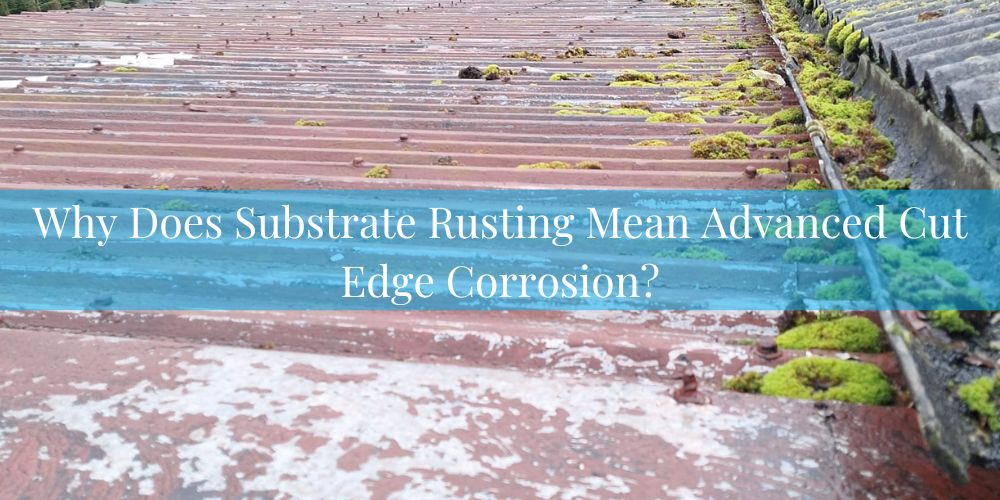
Substrate rusting on commercial buildings is a clear indicator of advanced cut edge corrosion, which can compromise the integrity and appearance of metal roofing and cladding systems. Identifying rusting at its early stages is essential for preventing further deterioration and costly repairs, as untreated corrosion can lead to leaks and structural weakness in the affected areas. In the UK’s wet and unpredictable climate, moisture exposure accelerates rust formation, especially at cut edges where protective coatings are thinner or absent. Regular inspections and timely maintenance are crucial to managing rust issues and ensuring the longevity of metal roofs, particularly as temperature fluctuations exacerbate corrosion rates. By addressing substrate rusting promptly, facility managers can mitigate the risks of extensive damage and extend the service life of their buildings.
For commercial building owners and facility managers in the UK, understanding how rust formation signals advanced cut edge corrosion is key to maintaining asset value and functionality. In this article, we will delve into the causes and effects of substrate rusting and cut edge corrosion. We will also explore preventative measures, and discuss effective repair strategies tailored to the UK’s unique environmental conditions.
What Is Substrate Rusting?
Substrate rusting is the corrosion of the base metal beneath a protective coating, typically occurring when that coating is damaged, cut, or begins to fail. In roofing and cladding systems, the substrate is usually galvanised or coated steel. When moisture and oxygen penetrate the coating, they come into contact with the bare steel surface, triggering oxidation. Moisture and oxygen can penetrate the protective coating through scratches, cut edges, or delamination. This reaction forms iron oxide, or rust, which spreads beneath the coating and weakens the metal. Substrate rusting is often hidden in its early stages, making it difficult to detect until visible signs like bubbling, flaking, or coating lift appear. In cases like cut edge corrosion, substrate rusting begins at the exposed edge and can quickly advance if left untreated. Over time, it compromises the strength, weather resistance, and lifespan of the sheet. Effective prevention relies on sealing exposed edges and using high-performance coatings designed to resist water and oxygen ingress.
How Can Substrate Rusting Be Identified?
You can identify substrate rusting by looking for signs of coating flaking, sheet delamination, bubbling, or rust staining near seams and edges. These symptoms indicate that corrosion is occurring beneath the surface layer, often starting at cut edges or damaged areas. In some cases, the coating may appear intact, but tapping or gentle pressure reveals detachment from the metal beneath. Regular close-up inspections of vulnerable zones are essential to catch substrate rusting before it spreads.
- Delaminated coating: Peeling or lifting paint indicates rust beneath.
- Bubbling or blistering: Raised areas suggest trapped moisture or corrosion.
- Rust staining: Brown streaks near edges or seams reveal hidden rust.
- Loose or hollow areas: Tapping reveals detachment from corroded metal.
- Heavily rusted panels: Advanced corrosion visibly degrades the steel.
1. Delaminated Coating
Delaminated coating occurs when the protective film, such as plastisol, PVDF, or polyester, loses adhesion to the steel substrate beneath it. Sheet delaminaiton is typically caused by rust forming at the cut edge or other breach points, which lifts the coating as iron oxide expands and disrupts the bond. Visually, delamination may appear as bubbling, curling, or peeling of the coating, often starting at corners, seams, or overlaps. In some cases, the coating may still appear intact from a distance but can be easily pulled away or flake off when touched. As the barrier is breached, more moisture and oxygen penetrate underneath, accelerating the oxidation process. This creates a feedback loop where corrosion spreads and continues lifting the coating, eventually requiring recoating or sheet replacement if left unaddressed.
2. Bubbling or Blistering
Bubbling or blistering is a common early-stage indicator that the protective coating has been compromised and moisture has penetrated beneath the surface layer. This usually occurs at weak points like cut edges, fixing holes, or hairline cracks where the integrity of the coating has been breached. Once water infiltrates and becomes trapped, it begins to react with the underlying steel in the presence of oxygen, initiating oxidation. The rust formation beneath the coating creates pressure, which lifts the surface and forms dome-shaped blisters or soft, raised bubbles. These bubbles may feel spongy and can burst when touched, revealing rust or damp steel underneath. Left untreated, blistering quickly spreads as more water penetrates and oxidation accelerates beneath the coating.
3. Rust Staining
Rust staining is one of the most visible surface signs that substrate corrosion has started. It often shows as reddish-brown streaks, halos, or blotches near cut edges, joints, or fasteners. These stains form when rust develops beneath the surface and iron oxide particles leach through gaps, seams, or coating cracks. Staining is especially common in areas exposed to frequent moisture, such as roof valleys, panel overlaps, or zones with poor drainage. Around fixings, rust stains may also signal deterioration of fastener seals or the presence of galvanic corrosion. While stains may appear minor at first, they usually indicate that hidden corrosion is progressing underneath. Early recognition and investigation are essential to prevent deeper substrate damage.
4. Loose or Hollow Areas
Loose or hollow areas can often be detected by gently pressing or tapping along coated steel surfaces. A dull or uneven sound usually indicates that the bond between the protective coating and the metal substrate has broken down. This detachment occurs when rust forms beneath the coating, creating a gap and reducing adhesion. Affected spots may feel soft, spongy, or slightly flexible, even if there are no visible signs of damage. These tactile clues are especially valuable during inspections where visual rust indicators are absent. Discovering loose or hollow areas early allows for targeted intervention before corrosion spreads more deeply through the sheet.
5. Heavily Rusted Panels
When substrate rusting is left unaddressed, entire panels can become visibly corroded and structurally compromised. These panels often display large patches of surface rust, deep pitting, or flaking metal where the original protective coating has completely deteriorated. The steel beneath may appear orange-brown, rough to the touch, and in some cases, perforated or warped. At this stage, the panel is no longer watertight, making water ingress highly likely and putting the underlying structure at risk. Severe rust like this usually indicates systemic failure, and full panel replacement is often the only effective remedy.
Have a question about an upcoming project?
How Does Substrate Rusting Signal Advanced Stages of Cut Edge Corrosion?
Substrate rusting signals advanced cut edge corrosion as it indicates extensive penetration of the protective coating. This situation often arises when the corrosion process has advanced beyond the coating, compromising the integrity of the substrate material. The presence of rust on the substrate suggests that remedial actions are urgently required to prevent further material degradation.
The following list elaborates on the aspects that signify advanced stages of cut edge corrosion, focusing on substrate rusting.
- Corrosion Ingress: Rust indicates protective coating breached, allowing moisture to reach substrate.
- Material Integrity: Rust presence suggests substrate's structural integrity is compromised.
- Significant Coating Damage: Extensive rust implies severe damage to protective coatings.
- Accelerated Degradation: Rust on substrate accelerates overall corrosion spread.
- Urgent Repairs Needed: Rust signals immediate need for remedial actions to prevent further damage.
1. Corrosion Ingress: Rust indicates protective coating breached, allowing moisture to reach substrate.
Corrosion ingress refers to the penetration of corrosive elements, like moisture, through breached coatings. When rust appears at the substrate level, it is a clear sign that corrosive materials have bypassed protective barriers. This typically occurs when the protective coatings have failed, permitting moisture ingress. The presence of rust is a critical indicator that the protective measures are no longer effective, requiring immediate intervention to halt further corrosion.
2. Material Integrity: Rust presence suggests substrate's structural integrity is compromised.
Material integrity is the ability of a material to maintain its intended function and form. The appearance of rust signifies that the substrate's structural integrity is at risk, as the core material begins to weaken. This condition results from long-term exposure to corrosive agents following the failure of protective coatings. Ensuring the substrate's integrity is crucial to prevent further structural damage and functionality loss.
3. Significant Coating Damage: Extensive rust implies severe damage to protective coatings.
Significant coating damage refers to the breakdown or removal of protective layers on a surface. The extensive presence of rust signals that the protective coatings have deteriorated severely, exposing the substrate to the elements. As the primary barrier against corrosion, coating damage leads to increased vulnerability of the substrate material. Recognising and addressing such damage promptly is vital to restore protection and prevent further deterioration.
4. Accelerated Degradation: Rust on substrate accelerates overall corrosion spread.
Accelerated degradation refers to the rapid deterioration of materials due to corrosive processes. When rust appears on the substrate, it indicates that the corrosion process has not only begun but is likely to escalate quickly. This increase in degradation rate results from the continued exposure and subsequent corrosion of vulnerable substrate areas. Timely intervention is necessary to slow or halt this accelerated spread and protect the remaining material.
5. Urgent Repairs Needed: Rust signals immediate need for remedial actions to prevent further damage.
Urgent repairs refer to the immediate corrective actions required to restore material integrity. The detection of rust on substrate surfaces highlights an urgent need for repairs to prevent additional corrosion and further material loss. Without timely intervention, the substrate may suffer irreparable damage, leading to functional failures. Addressing these issues promptly can prolong the lifespan of the structure and maintain its functionality.
What Prevention and Treatment Options are Available for Addressing Substrate Rusting and Cut Edge Corrosion?
The best approach to preventing and treating substrate rusting and cut edge corrosion involves using protective coatings and maintenance practices. Regular inspections are essential to catch early signs of corrosion. For substrate rusting and cut edge corrosion the application of protective coatings and sealants is required. Cut edge corrosion treatment can prevent moisture intrusion and subsequent corrosion. Combining these strategies can prolong the life of metal surfaces exposed to the elements.
Here is a list of prevention and treatment options for substrate rusting and cut edge corrosion:
- Protective Coatings: Use specialised paints to shield against moisture and air exposure.
- Regular Inspections: Frequently examine surfaces for early signs of rust and corrosion.
- Sealant Application: Apply waterproof sealants to vulnerable areas to prevent moisture intrusion.
- Proper Maintenance: Keep metal surfaces clean and free of debris and contaminants.
- Repair and Replacement: Promptly address severely corroded sections to avoid further damage.
1. Protective Coatings: Use specialised paints to shield against moisture and air exposure.
Protective coatings are substances applied to surfaces to resist environmental degradation. They form a barrier that inhibits the interaction between metal substrates and corrosive elements such as moisture and oxygen. This can significantly slow the progression of rust and cut edge corrosion. Substrate rusting and cut edge corrosion can be dealt with using specialised paints or coatings such as zinc-rich primers. These treatments can pre-empt corrosion. This preventive measure is particularly vital in environments prone to high humidity or pollution, where metals are more susceptible to corrosion. These coatings are often an economical solution, offering long-term savings by reducing the need for frequent repairs or replacements.
2. Regular Inspections: Frequently examine surfaces for early signs of rust and corrosion.
Regular inspections involve systematically examining surfaces for any early indications of deterioration or damage. These inspections can help identify signs of rust or corrosion at an early stage, enabling timely intervention. Early detection allows for minor issues to be addressed before becoming significant problems. Frequent assessments can minimise the risk of extensive damage due to corrosion by ensuring that protective measures are intact and functioning. In industrial environments, regular inspections can be integrated into routine maintenance schedules, making them a practical and efficient addition to corrosion prevention strategies.
3. Sealant Application: Apply waterproof sealants to vulnerable areas to prevent moisture intrusion.
Sealants are materials used to block the passage of fluids through surfaces, joints, or openings. They are designed to provide an impermeable barrier, protecting substrates from moisture that could lead to corrosion. In regions of cut edges where coatings might be compromised, sealants are particularly useful. By applying sealants to these vulnerable areas, the chances of water ingress, which is often the precursor to rusting, are minimized. Sealant application is a straightforward task that can dramatically extend the life of metal structures, primarily when used in conjunction with other preventive measures like protective coatings.
4. Proper Maintenance: Keep metal surfaces clean and free of debris and contaminants.
Proper maintenance refers to cleaning and maintaining metal surfaces to prevent debris build-up and contamination. This practice helps remove potential corrosion catalysts such as salt deposits, dirt, or industrial pollutants. Keeping surfaces clean reduces the likelihood of moisture retention, a significant factor in rust formation. Regular upkeep of metal surfaces ensures that protective coatings and sealants remain effective. Proper maintenance can significantly extend the lifecycle of metal components, reducing costs and maintaining the integrity of structures and equipment.
5. Repair and Replacement: Promptly address severely corroded sections to avoid further damage.
Repair and replacement involve addressing areas of significant corrosion by fixing or swapping out damaged parts. When corrosion is detected early, minor repairs might suffice, but severe cases may necessitate full replacement of affected sections. Acting swiftly to repair or replace compromised materials can prevent further degradation. In cases where prevention strategies have not been sufficient, timely repair and replacement are critical to minimise the impact of rust and deterioration. This proactive approach is crucial in maintaining safety and structural integrity, particularly in infrastructure where failure could have catastrophic consequences.
Understanding how substrate rusting signals advanced cut edge corrosion is essential for maintaining the integrity and longevity of metal roofing systems, particularly in the variable climate of the United Kingdom. Cut edge corrosion can lead to significant structural issues if not addressed promptly, as rusting of the substrate often indicates that protective coatings have been compromised. By recognising early signs of substrate rusting, property owners and managers in the UK can take proactive measures to prevent further damage, protect their roofs, and extend their lifespan. Ensuring regular maintenance and timely repairs can mitigate the risk of costly damage, safeguarding your investment against the UK's often unpredictable weather.
If you need further guidance on managing cut edge corrosion or wish to schedule a professional evaluation, please get in touch with us through our contact form. Our experienced team is ready to provide you with personalised solutions to ensure your roofing system remains robust and reliable.