
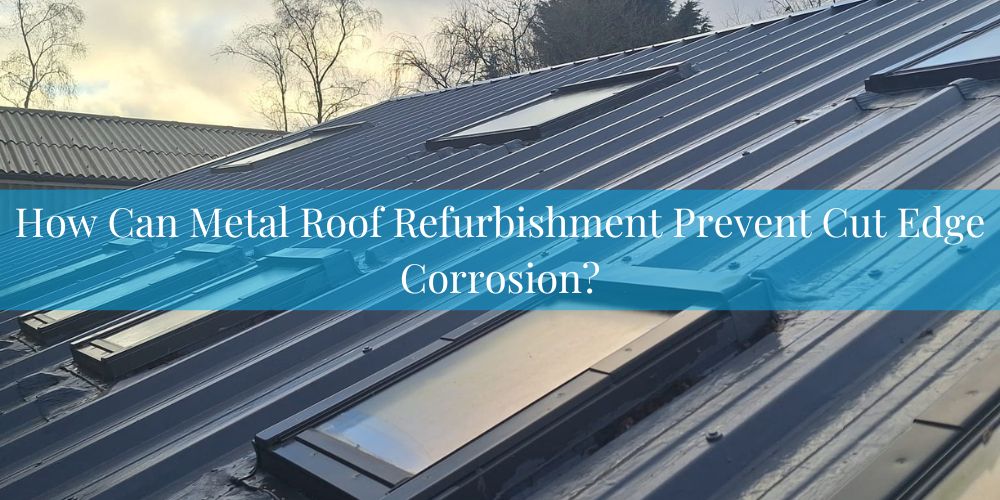
In the United Kingdom, cut edge corrosion on metal roofs can be effectively prevented through regular refurbishment using high-quality coatings and sealants designed to withstand the country's varied weather conditions. Persistent exposure to rain and coastal salt in the UK often accelerates the corrosion process on metal roofs, particularly at exposed cut edges where protective coatings may have worn off. Regular maintenance and refurbishment not only extend the roof’s lifespan but also enhance its appearance and increase its resilience against future environmental attacks. For UK commercial building owners and facility managers, addressing cut edge corrosion early is crucial to avoid costly damage and ensure the structural integrity of their investments. In this blog, we will delve into the techniques and benefits of metal roof refurbishment, focusing on how proactive maintenance can protect assets and reduce long-term repair expenses.
What Causes Cut Edge Corrosion on Metal Roofs?
Cut edge corrosion on metal roofs occurs when the protective coating is damaged and the underlying metal is exposed to moisture and air. This leads to rust and corrosion, particularly at the cut edges where coatings are often thinnest. It is essential to address this issue to maintain the structural integrity and longevity of the roof. Understanding the primary causes of cut edge corrosion can help prevent and mitigate this issue. Here are some key factors that contribute to cut edge corrosion:
- Protective Coating Damage: Exposes the metal surface to moisture and air.
- Inadequate Edge Sealant: Fails to protect cut edges against environmental elements.
- Poor Installation Practices: May compromise the roof’s protective layers.
- Environmental Factors: High humidity and air pollutants accelerate corrosion.
- Improper Maintenance: Neglecting regular inspections leads to unnoticed early-stage corrosion.
1. Protective Coating Damage: Exposes the metal surface to moisture and air.
Protective coating damage occurs when the surfacing layer designed to protect metal roofs is compromised. This damage can enable moisture and air to reach the metal, causing rust and corrosion. Cut edges are most vulnerable as coatings are often applied thinner here. Regular inspections and appropriate touch-ups can prevent such damage from leading to extensive cut edge corrosion, thereby maintaining the roof's aesthetic and structural integrity.
2. Inadequate Edge Sealant: Fails to protect cut edges against environmental elements.
Inadequate edge sealant refers to inadequate application or quality of sealant at metal roof edges. If the sealant is insufficient, it can leave cut edges exposed to external elements, increasing corrosion risk. Proper sealing practices are crucial for prolonging the life of metal roofs. Implementing high-quality, suitably applied edge sealants allows for comprehensive protection, ultimately reducing instances of cut edge corrosion.
3. Poor Installation Practices: May compromise the roof’s protective layers.
Poor installation practices involve errors during the roofing process that leave the structure vulnerable. If installers neglect best practices, the integrity of protective coatings can be compromised, leading to cut edge corrosion. Attention to detail during installation is critical. Well-trained professionals should always execute installations to the highest standards to prevent potential issues related to cut edge corrosion.
4. Environmental Factors: High humidity and air pollutants accelerate corrosion.
Environmental factors, such as humidity and pollution, contribute significantly to corrosion rates. Cut edges of metal roofs are especially susceptible where pollution or constant moisture exposure exists. Such conditions hasten the corrosion process, leading to structural deterioration. Awareness and adaptation to local environmental conditions are necessary for minimising these adverse effects on metal roofing.
5. Improper Maintenance: Neglecting regular inspections leads to unnoticed early-stage corrosion.
Improper maintenance refers to the lack of routine inspections and upkeep of metal roofs. Without consistent checks, early signs of corrosion at the cut edges can go undetected and unaddressed. Ignoring these issues leads to more significant corrosion concerns over time. Proactive maintenance, including regular inspections and timely repairs, is key to preventing cut edge corrosion and ensuring long-term roof health.
Have a question about an upcoming project?
How Does Metal Roof Refurbishment Address Cut Edge Corrosion?
Metal roof refurbishment effectively mitigates cut edge corrosion by sealing vulnerable edges and preventing moisture ingress. Cut edge corrosion occurs when the protective coating on metal cladding deteriorates at the edges, exposing the metal to environmental elements. The metal roof refurbishment process not only prolongs the lifespan of the roof but also prevents costly repairs and maintains structural integrity.
Here are key ways in which metal roof refurbishment addresses cut edge corrosion:
- Protective Coating: Reapplying coatings seals vulnerable rust-prone edges.
- Moisture Barrier: Prevents water ingress that accelerates corrosion.
- Edge Sealing: Specifically targets and seals exposed metal edges.
- Enhanced Durability: Utilises materials that withstand environmental stresses.
- Cost Efficiency: Reduces the need for frequent metal roof repairs.
1. Protective Coating: Reapplying coatings seals vulnerable rust-prone edges.
A protective coating is a material applied to surfaces to prevent corrosion. In roof refurbishment, professionals reapply specialised coatings to metal edges to combat corrosion. This step is crucial because it offers an additional layer of protection against environmental elements. Over time, exposure to rain, wind, and pollution can erode existing coatings, leaving metal edges susceptible. Reapplying this protective layer ensures the longevity and resilience of the roof's edges against rust formation.
2. Moisture Barrier: Prevents water ingress that accelerates corrosion.
A moisture barrier is a protective layer that prevents water from penetrating into materials. By installing this barrier during refurbishment, it effectively stops water from reaching and corroding the metal. Roofs are particularly susceptible to weaknesses in their moisture barrier, especially at joints and edges. A comprehensive refurbishment process will reinforce these barriers, significantly reducing the risk of corrosion due to trapped moisture and maintaining optimal structural conditions.
3. Edge Sealing: Specifically targets and seals exposed metal edges.
Edge sealing involves applying materials specifically designed to protect exposed or cut metal edges. This is particularly important in refurbishment as these areas are most vulnerable to moisture and rust. By targeting and sealing the edges, refurbishment efforts directly address the primary sites of cut edge corrosion. This targeted approach not only improves the roof's performance but also precludes the accelerated deterioration of the metal in these vulnerable areas.
4. Enhanced Durability: Utilises materials that withstand environmental stresses.
Enhanced durability refers to the improved ability of a material to endure stress and wear. In the context of metal roof refurbishment, selecting durable materials that resist corrosion is critical. These materials, often inclusive of advanced polymers or inhibitors, are designed to endure harsh weather conditions, deterring the onset of rust. The use of these resilient materials ensures that refurbishment effectively prolongs the life and integrity of the roof system.
5. Cost Efficiency: Reduces the need for frequent metal roof repairs.
Cost efficiency involves managing resources and expenses effectively to achieve optimal results. Refurbishing metal roofs to address cut edge corrosion is cost-efficient as it prevents ongoing damage and the need for frequent repairs. By addressing the root causes of corrosion proactively and thoroughly, long-term maintenance costs are substantially reduced. This proactive investment not only preserves the roof's functionality but also enhances property value through improved roof longevity and performance.
What Are the Best Practices for Maintaining a Refurbished Metal Roof?
Regular inspections and maintenance ensure a refurbished metal roof remains in optimal condition. Monitoring for potential damage, managing corrosion, and ensuring proper drainage are crucial for longevity. Implementing a routine care plan can prevent costly repairs and enhance the roof's lifespan. Outlined below are the essential practices for preserving a refurbished metal roof:
- Regular Inspections: Schedule at least twice a year for potential damage assessment.
- Corrosion Control: Apply anti-corrosive treatments or coatings to fight rust effectively.
- Proper Drainage: Ensure gutters and downpipes are clear to prevent water accumulation.
- Sealant Maintenance: Inspect and renew sealants to maintain waterproof integrity.
- Debris Removal: Regularly clear leaves and branches to prevent surface damage.
1. Regular Inspections: Schedule at least twice a year for potential damage assessment.
Regular inspections involve checking the roof for any signs of wear, tear, or damage. For a refurbished metal roof, this means checking the integrity of repairs and any signs of new issues. Regular inspections help identify problems early, preventing expensive damage. Inspections should ideally occur in spring and autumn, allowing homeowners to address minor issues before harsher weather conditions. Ensuring these assessments are conducted by a professional can significantly enhance the roof’s performance and longevity.
2. Corrosion Control: Apply anti-corrosive treatments or coatings to fight rust effectively.
Corrosion control involves treating metal surfaces to prevent rust and deterioration. A refurbished metal roof is particularly susceptible to corrosion due to exposure. Anti-corrosive treatments are essential to enhance resistance against moisture and environmental factors. These treatments not only protect the metal but also prolong the roof's lifespan, reducing the need for frequent repairs. Regularly-checked and maintained coatings can significantly diminish corrosion risks, especially in harsher climates.
3. Proper Drainage: Ensure gutters and downpipes are clear to prevent water accumulation.
Proper drainage is key to preventing water damage and ensuring roof health. A refurbished metal roof relies heavily on effective water drainage systems to avoid structural issues. Blocked gutters and downpipes can lead to water accumulation, causing rust and property damage. Routine maintenance of these drainage systems, such as clearing debris and ensuring proper flow, can greatly reduce potential water damage risks. Installing gutter guards can also help by minimising leaf build-up and reducing cleaning frequency.
4. Sealant Maintenance: Inspect and renew sealants to maintain waterproof integrity.
Sealant maintenance involves inspecting and replacing the roof sealants that ensure water-tightness. For a refurbished metal roof, maintaining the sealants is essential to prevent leaks and water ingress. Over time, sealants can deteriorate due to weathering, leading to compromised protection. Scheduling regular sealant checks and promptly addressing any signs of wear or damage can maintain the roof’s waterproof properties, crucially preserving the interior building structures. Using high-quality sealants can also improve durability and maintenance intervals.
5. Debris Removal: Regularly clear leaves and branches to prevent surface damage.
Debris removal is the process of eliminating leaves, branches, and other materials from the roof surface. For a refurbished metal roof, accumulated debris can lead to trapped moisture and scratches. Regularly clearing this debris prevents moisture retention that leads to corrosion. Consistently keeping the roof clean not only enhances aesthetic appeal but also improves its overall condition by reducing unnecessary damage risks. Implementing a routine cleaning schedule contributes significantly to extending the roof's lifespan.
Addressing cut edge corrosion through strategic metal roof refurbishment is vital for maintaining the integrity and aesthetics of your roofing system, especially here in the United Kingdom, where the damp climate can accelerate corrosion. Proactively managing cut edge corrosion not only safeguards your building’s structural health but also extends the longevity of your investment. Implementing regular inspections and timely refurbishments can greatly mitigate the risks associated with corrosion, ensuring your roofing system withstands the test of time and the elements. Our expert services focus on identifying the early signs of corrosion and applying effective solutions, enabling your roof to perform efficiently and remain visually appealing for many years to come.
If you're seeking professional advice or require assistance with preventing cut edge corrosion on your metal roof, please reach out to us through our contact form. Our knowledgeable team is ready to provide tailored solutions to preserve the integrity of your roofing investment in the United Kingdom's challenging environment.