
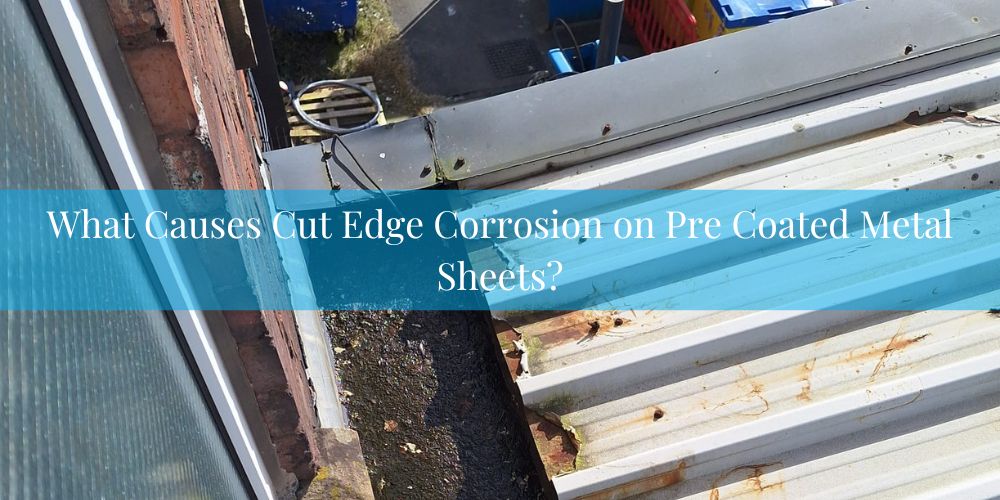
Cut edge corrosion on pre-coated metal sheets in the United Kingdom is primarily caused by the exposure of cut edges to moisture and atmospheric pollutants, which can break down the protective coating and lead to rust formation. This issue is particularly prevalent in regions with high humidity and frequent rainfall, as the wet conditions accelerate the degradation of unprotected steel edges. Additionally, coastal locations with salt-laden air can exacerbate corrosion rates, making regular inspections and maintenance crucial for prolonging the lifespan of metal roofing materials.
The UK’s unpredictable weather contributes to the challenges of maintaining pre-coated metal sheets, with temperature fluctuations and consistent dampness accelerating the onset of corrosion at cut edges. Regular professional maintenance, including the application of protective sealants or secondary coatings, can significantly reduce the risk of corrosion and extend the underlying metal's life. Understanding these local environmental factors is essential for facility managers and business owners to preserve the structural integrity and aesthetic appeal of their buildings' metal roofing.
For commercial building owners and facility managers in the United Kingdom, addressing cut edge corrosion is essential to maintain their premises' safety and visual appeal. In this blog, we will delve deeper into the causes of cut edge corrosion on pre-coated metal sheets, exploring effective prevention strategies and maintenance practices tailored to the UK's unique climate challenges. Our goal is to provide expert insights and practical advice to help safeguard your investment in commercial roofing.
What Is Cut Edge Corrosion and Why Is It a Concern for Pre-Coated Metal Sheets?
Cut edge corrosion is the deterioration of exposed edges in pre-coated metal sheets. It poses a significant concern because it compromises the integrity and appearance of the metal, leading to potential costly repairs or replacements. The issue arises when the protective coating is cut or damaged, rendering the metal susceptible to environmental elements. The following are key reasons why cut edge corrosion is particularly concerning for pre-coated metal sheets:
- Coating Vulnerability: Exposed edges make coatings susceptible to environmental damage.
- Structural Integrity: Corrosion undermines the strength and stability of metal structures.
- Aesthetic Impact: Unsightly rust and damage affect the visual appeal of structures.
- Maintenance Costs: Repairing corrosion can be costly and time-consuming.
- Protection Measures: Proper edge treatments can mitigate corrosion risks effectively.
1. Coating Vulnerability: Exposed edges make coatings susceptible to environmental damage.
Coating vulnerability refers to the risk of damage to the protective layer on metals. Cut edges, which expose the underlying metal, are particularly vulnerable to environmental factors such as moisture and air. This exposure can lead to accelerated corrosion, as the unprotected metal interacts with corrosive agents. Preventing this vulnerability involves ensuring that protective coatings fully cover any exposed metal, especially at cut edges. Over time, consistent exposure can dramatically reduce the lifespan of metal sheets and compromise their performance. Therefore, addressing coating vulnerability is crucial to preserving the functionality and longevity of pre-coated metal sheets.
2. Structural Integrity: Corrosion undermines the strength and stability of metal structures.
Structural integrity refers to the ability of a structure to withstand loads without failing. When corrosion occurs at the cut edges of metal sheets, it can weaken the structural components. This weakening can lead to potential safety hazards and necessitate early replacements. The loss of structural integrity due to cut edge corrosion can compromise entire systems, from roofing to architectural façades. Ensuring the structural integrity of metal sheets involves regular inspections and timely maintenance to address any signs of corrosion. Adopting measures to prevent cut edge corrosion is essential for maintaining the safety and functionality of metal structures.
3. Aesthetic Impact: Unsightly rust and damage affect the visual appeal of structures.
Aesthetic impact refers to how visual elements influence the overall appearance of structures. Cut edge corrosion not only weakens the metal but also leads to rust formation, which is visually unappealing. This can tarnish the appearance of buildings and infrastructures, detracting from their aesthetic value. For businesses and homeowners, maintaining an attractive exterior is often paramount. Cut edge corrosion can lead to streaks of rust and visible deterioration, which can be off-putting. Addressing this concern involves using finishes and treatments that resist corrosion, helping maintain the desired visual appearance of metal structures over time.
4. Maintenance Costs: Repairing corrosion can be costly and time-consuming.
Maintenance costs relate to the expenses involved in repairing and maintaining structures. Corrosion at the cut edges of metal sheets often necessitates repairs to prevent further damage, which can be both costly and time-intensive. The need for repairs can increase the overall lifetime costs of a metal installation. Preventive maintenance can help mitigate these costs by identifying and addressing corrosion before it becomes severe. Implementing regular inspections and applying protective treatments can reduce the incidence of cut edge corrosion. By doing so, property owners can avoid the higher costs associated with extensive repairs or replacements.
5. Protection Measures: Proper edge treatments can mitigate corrosion risks effectively.
Protection measures refer to the strategies used to shield metal from corrosion. One effective way to mitigate cut edge corrosion is through edge treatments that seal or coat vulnerable areas. These treatments can extend the life of metal sheets by preventing exposure to corrosive agents. Implementing such measures involves using specialised coatings or employing mechanical means to protect edges. Proper protection not only prevents immediate issues but also enhances the long-term sustainability of metal structures. By prioritising edge treatments, builders and property owners can effectively manage and reduce the risks of cut edge corrosion.
Have a question about an upcoming project?
How Does the Manufacturing Process Influence the Susceptibility to Cut Edge Corrosion?
The manufacturing process directly affects the resistance of coated metals to cut edge corrosion by dictating coating quality and application precision. Variations in coating thickness, type of coating used, and even the method of application can contribute to differing levels of susceptibility to corrosion along cut edges. Understanding these influences can help in selecting the most appropriate materials and methods to minimise corrosion risk.
Here are the key factors in the manufacturing process that influence cut edge corrosion:
- Coating Thickness: Uniformity and adequate thickness deter corrosion along cut edges.
- Coating Type: Selected materials impact durability and corrosion resistance.
- Application Method: Technique affects coating adhesion and protection levels.
- Surface Preparation: Proper surface treatment ensures effective coating performance.
- Material Quality: High-grade materials enhance corrosion resistance.
1. Coating Thickness: Uniformity and adequate thickness deter corrosion along cut edges.
Coating thickness refers to the uniformity and adequacy of the protective layer applied to metals. The right thickness ensures that the protective coating is effective across all exposed surfaces, including cut edges. Without sufficient coating thickness, cut edges become vulnerable to moisture ingress and subsequent corrosion. Manufacturers must carefully monitor the thickness during application to ensure consistent protective characteristics. Variability can arise due to equipment calibration, speed of application, and environmental conditions. By optimising these factors, the longevity and integrity of the metal product are greatly enhanced.
2. Coating Type: Selected materials impact durability and corrosion resistance.
The coating type is the specific formulation used in creating the protective layer on metal surfaces. Different coatings, such as organic or inorganic, have varying degrees of resistance to environmental factors that cause corrosion. Selecting the appropriate coating type is crucial for protecting cut edges, where exposure is significant. Manufacturers often choose coatings based on factors like UV resistance, humidity resilience, and other site-specific conditions. The chemical composition of the coating provides a certain level of barrier against corrosive elements, prolonging the lifespan of the coated metal.
3. Application Method: Technique affects coating adhesion and protection levels.
The application method refers to the technique used for applying the coating to metal surfaces. Whether the coating is sprayed, dipped, or rolled can influence the evenness and adherence of the protective layer on cut edges. Poor application can lead to weak spots where corrosion can initiate. Ensuring a consistent and controlled application process is critical in attaining the desired protective qualities of the coating. Training of personnel and use of appropriate technology can improve the reliability of the application process.
4. Surface Preparation: Proper surface treatment ensures effective coating performance.
Surface preparation involves cleaning and treating the metal surface prior to coating application. A well-prepared surface enhances coating adhesion, crucial for protection at cut edges. Contaminants and irregularities can compromise the effectiveness of the protective coating. Manufacturers use techniques such as sandblasting, degreasing, and acid etching to prepare surfaces adequately. Attention to cleanliness and texture before coating application can significantly improve the resistance to cut edge corrosion.
5. Material Quality: High-grade materials enhance corrosion resistance.
Material quality refers to the intrinsic properties of the metal used, affecting its overall durability. Using high-quality materials with intrinsic resistance to corrosion can provide a first line of defence, especially at vulnerable cut edges. The composition and processing of the metal can define its susceptibility to corrosion. Manufacturers often choose alloys with added elements that improve corrosion resistance. These material enhancements, alongside effective coatings, contribute significantly to the long-term performance against cut edge corrosion.
What Environmental Factors Accelerate Cut Edge Corrosion on Pre-Coated Metal Sheets?
Moisture, temperature fluctuations, and pollution accelerate cut edge corrosion on pre-coated metal sheets. These factors increase the chemical reactions occurring at the exposed edges of the metal, leading to the faster deterioration of the protective coatings. Understanding these factors can help in selecting the right materials and coatings for particular environments. Here are the key environmental factors that contribute to accelerating cut edge corrosion on pre-coated metal sheets:
- High Humidity: Enhances moisture exposure leading to rust formation.
- Temperature Variations: Cause expansion and contraction, cracking coatings.
- Salt Exposure: Promotes corrosion, especially in coastal regions.
- Air Pollution: Increases chemical interactions on exposed metal surfaces.
- Rainfall Frequency: Constant wetness wears down protective coatings faster.
1. High Humidity: Enhances moisture exposure leading to rust formation.
High humidity increases the presence of moisture in the air. This moisture can settle on pre-coated metal sheets, enhancing the possibility of corrosion, especially on cut edges where the protective coating is breached. As moisture permeates the metal, it can lead to the oxidation process, which is the primary cause of rust development. In areas with consistently high humidity, it becomes crucial to utilise more robust coatings and perhaps even additional protective measures to mitigate the corrosive effects of moisture. Understanding humidity's role can guide proper maintenance schedules and material selection to extend the longevity of metal structures.
2. Temperature Variations: Cause expansion and contraction, cracking coatings.
Temperature fluctuations result in expansion and contraction of materials. For pre-coated metal sheets, this constant movement can lead to cracking or weakening of the protective surface, particularly at the sheet's cut edges. Once the coating is compromised, the underlying metal becomes susceptible to environmental elements that promote corrosion. In climates with significant temperature shifts between day and night or across seasons, it is vital to consider protective systems that can tolerate such expansions and contractions without losing integrity. Selecting flexible coatings can be an effective strategy to mitigate these issues.
3. Salt Exposure: Promotes corrosion, especially in coastal regions.
Salt exposure refers to the presence of salt in the air, which can accelerate corrosion. Particularly in coastal regions, airborne salt particles can adhere to metal surfaces, expediting the corrosion process. The electrolyte properties of salt initiate and perpetuate electrochemical reactions that undermine the integrity of metal, particularly at vulnerable cut edges. To protect against salt exposure, selecting materials with higher resistance to chloride-induced corrosion or applying additional layers of a suitable protective coating can be effective. Regular cleaning of metal surfaces to remove salt deposits can also significantly reduce the risk of accelerated corrosion.
4. Air Pollution: Increases chemical interactions on exposed metal surfaces.
Air pollution contains chemical compounds that can react with metal surfaces. These pollutants, such as sulphur dioxide or nitrogen oxides, can create acidic conditions when they dissolve in ambient moisture, which can aggressively corrode metal. Cut edges, lacking some protective barriers, are particularly vulnerable to these aggressive elements. In environments with high pollution levels, employing coatings designed to resist chemical attack or incorporating additional physical barriers can help protect metal sheets. Monitoring air quality and anticipating periods of high pollution can further guide preventive maintenance efforts.
5. Rainfall Frequency: Constant wetness wears down protective coatings faster.
Frequent rainfall leads to sustained wet conditions on metal surfaces. This continuous exposure to water can deteriorate protective coatings more rapidly, allowing water to breach the coating at cut edges. Once water penetrates these vulnerable points, it can facilitate corrosion through chemical reactions with the metal. Implementing efficient drainage systems to minimize water retention and applying hydrophobic coatings can mitigate the effects of frequent rainfall. Understanding the local weather pattern helps in tailoring these systems to effectively extend the lifespan of pre-coated metal sheets.
Understanding the causes of Cut Edge Corrosion on pre-coated metal sheets is crucial for maintaining the structural integrity and aesthetic appeal of buildings in the United Kingdom. This type of corrosion, typically resulting from environmental exposure and inadequate protective measures, can significantly compromise the lifespan of metal cladding and roofing systems. By adopting appropriate maintenance practices and utilising high-quality materials designed to withstand the UK’s varied weather conditions, building owners can mitigate the effects of Cut Edge Corrosion. Additionally, regular assessments by professionals can identify early signs of corrosion, allowing for timely interventions to protect your investment and ensure long-lasting durability.
If you would like further information on managing Cut Edge Corrosion on your metal roofing or cladding in the United Kingdom, please do not hesitate to get in touch with us through our contact form. Our knowledgeable team will be pleased to provide expert advice tailored to your specific needs.