
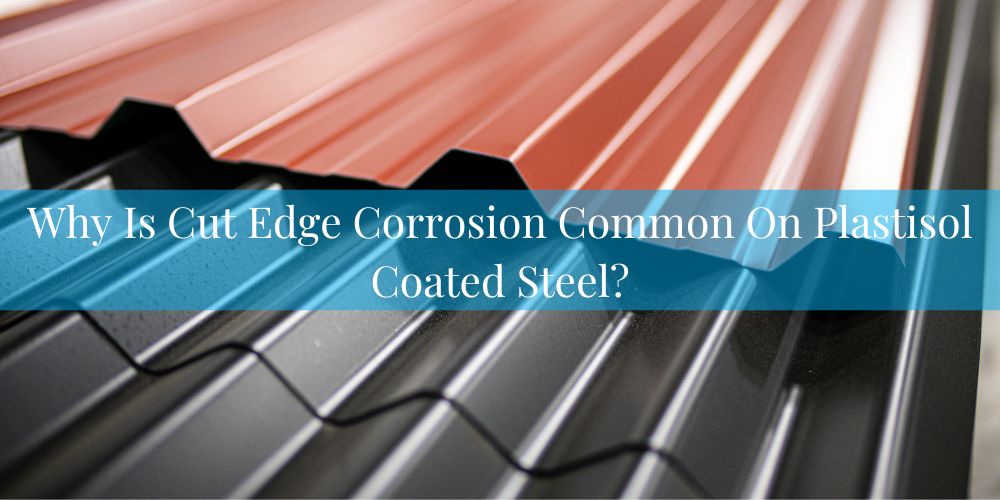
In the United Kingdom, cut edge corrosion often occurs on plastisol-coated steel due to unprotected edges being exposed to elements, leading to accelerated degradation. This is particularly prevalent in climates with high humidity and frequent rain, which causes the exposed metal to oxidise faster. Regular maintenance and protective measures, such as applying edge treatments, can significantly prolong the lifespan of plastisol-coated steel in such conditions.
The British weather, characterised by wet conditions and constant exposure to varying temperatures, exacerbates cut edge corrosion by facilitating moisture infiltration at the material's unprotected ends. When these corrosive processes begin, they compromise the steel's protective plastisol coating, leading to structural weakness and potential integrity issues over time. Regular inspections and timely interventions, especially in coastal or industrial areas with higher environmental aggressors, help mitigate these risks and preserve the material's integrity.
For commercial building owners and facility managers in the United Kingdom, understanding why cut edge corrosion occurs on plastisol-coated steel is crucial for effective building maintenance and optimisation of material lifecycles. In this blog, we’ll delve into the causes of cut edge corrosion, its effects on building structures, and provide practical tips for prevention and maintenance strategies to ensure long-lasting, cost-effective protection for your buildings.
What is Cut Edge Corrosion and How Does it Affect Plastisol-Coated Steel?
Cut edge corrosion is the degradation of exposed steel edges, leading to compromised integrity of coated steel. Cut edge corrosion occurs when the plastisol coating fails to cover steel edges, this type of corrosion can result in rust and damage over time. It can affect both the aesthetic appearance and structural performance of the coated steel.
Understanding the factors leading to cut edge corrosion can help in mitigating its effects. Here are key factors influencing the impact of cut edge corrosion on plastisol-coated steel:
- Exposure to Moisture: Increases risk of corrosion in uncoated steel edges.
- Coating Quality: Higher quality coatings better protect steel from environmental elements.
- Environmental Conditions: Humid and coastal areas accelerate corrosion processes.
- Maintenance Practices: Regular inspections and care extend the lifespan of coated steel.
- Cut Edge Protection: Effective cut edge protection methods reduce exposure to corrosive factors.
1. Exposure to Moisture: Increases risk of corrosion in uncoated steel edges.
Moisture exposure is a critical factor in the initiation and acceleration of corrosion. When steel edges, left exposed by inadequate coating, come into contact with moisture, it can lead to rapid degradation. This often results in rust, weakening the metal and compromising both appearance and structural integrity. In regions with high humidity or frequent rainfall, the moisture content in the air tends to exacerbate the problem. The uncoated edges of plastisol-coated steel panels are particularly vulnerable as they lack protective coverage against wet conditions. Corrosion tends to spread, starting from the edge and potentially affecting broader areas of the steel surface if not addressed. To minimise moisture-related corrosion risks, it is crucial to ensure that all steel edges are adequately protected or sealed during installation. Ensuring the coating is applied uniformly and maintaining seals over time can significantly reduce exposure to water, thereby reducing the chance of corrosion occurring.
2. Coating Quality: Higher quality coatings better protect steel from environmental elements.
The quality of the coating applied to steel can significantly influence its resistance to corrosion. High-quality plastisol coatings offer robust protection, shielding the underlying steel from destructive environmental factors. Superior coatings adhere effectively, covering the steel surface more completely and enduring longer despite elemental exposure. In the case of cut edge corrosion, the thickness and adherence of the coating play a critical role in safeguarding the steel's edges. Higher quality coatings are designed to maintain their integrity and resist peeling or cracking even when subjected to mechanical stress or environmental changes. Investing in high-quality coatings, although possibly more costly initially, can offer long-term savings by reducing maintenance needs and extending the lifespan of the steel. Additionally, selecting coatings with built-in inhibitors that resist rust can further enhance protection against cut edge corrosion.
3. Environmental Conditions: Humid and coastal areas accelerate corrosion processes.
Environmental conditions are pivotal in influencing the rate and extent of corrosion on metals. Humidity, salt spray, and temperature fluctuations common in coastal areas are particularly aggressive towards metal surfaces. In such environments, exposed steel edges are more rapidly corroded compared to steel in drier interior regions. Plastisol-coated steel that is deployed in these challenging environments often experiences faster deterioration, primarily due to the constant presence of moisture and salt. Salt acts as an electrolyte that significantly speeds up the corrosion process by facilitating the movement of electrons between the steel and the environment. To mitigate these effects, additional protective measures should be considered, such as the use of specialised coatings designed for marine environments or the application of barriers to shield the steel from direct exposure to harsh elements. Planning for these contingencies can help maintain the integrity and appearance of steel in adverse conditions.
4. Maintenance Practices: Regular inspections and care extend the lifespan of coated steel.
Regular maintenance is essential in preserving the integrity and aesthetics of coated steel structures. Through scheduled inspections and timely repairs, potential issues like cut edge corrosion can be detected and addressed before they escalate. Corrective actions taken during early stages are often less costly and more effective. Infrequent or inadequate maintenance can lead to minor defects being overlooked, which, in the case of cut edge corrosion, could result in major deterioration over time. Keeping an eye out for any signs of rust or coating compromise can help extend the life of steel installations. Encouraging routine maintenance checks, especially in areas prone to moisture or other corrosive elements, allows for immediate action if issues arise. Repair strategies might include touch-up painting or applying sealants to protect exposed areas, ultimately contributing to the longevity and performance of plastisol-coated steel.
5. Cut Edge Protection: Effective cut edge protection methods reduce exposure to corrosive factors.
Cut edge protection refers to the techniques and materials used to safeguard the vulnerable steel edges against corrosive elements. These methods may involve the application of sealant, edge primers, or additional stripping to reinforce these exposed sections. Proper edge protection acts as a barrier and prevents moisture ingress. Plastisol-coated steel that lacks adequate edge protection is at high risk for cut edge corrosion, as these areas are the first points of contact with water and other potentially damaging elements. By focusing on securing these points during installation, the chances of rust and subsequent damage are drastically reduced. By investing in specific edge protection measures, such as employing a double-layer protection system or using specialised products designed to bond seamlessly with the coating, the durability of the steel can be enhanced significantly. These preventive steps are practical and beneficial, particularly in harsh environmental settings where the risk of corrosion is high.
Have a question about an upcoming project?
Why Does Plastisol-Coated Steel Become Susceptible to Cut Edge Corrosion?
Plastisol-coated steel becomes vulnerable to cut edge corrosion due to the exposure of the bare steel at cut edges. When the steel is cut, the protective Plastisol coating does not cover these edges, leaving them open to environmental elements like moisture and oxygen. Over time, this exposure results in the deterioration of the steel at these unprotected sites.
Here are the key reasons why cut edge corrosion occurs in plastisol-coated steel:
- Exposed Steel Edges: Cutting exposes untreated steel to corrosive oxygen and moisture.
- Loss of Protective Barrier: The Plastisol coating no longer shields cut surfaces.
- Moisture Retention: Water accumulates at cut edges, accelerating corrosion.
- Environmental Exposure: Air pollutants enhance corrosion rates at vulnerable edges.
- Thermal Expansion: Differential expansion between steel and coating cracks the surface.
1. Exposed Steel Edges: Cutting exposes untreated steel to corrosive oxygen and moisture.
Exposed steel edges occur when the steel is cut, leaving raw metal surfaces unprotected. These uncoated edges are prime locations for corrosion since they come into direct contact with oxygen and moisture. With routine exposure to these elements, the bare metal starts to oxidise, leading to rust formation and structural degradation.
2. Loss of Protective Barrier: The Plastisol coating no longer shields cut surfaces.
The Plastisol coating serves as a barrier protecting steel from environmental damages. Once the steel is cut, this barrier is eliminated, leaving the metal at cut edges exposed to potential corrosion sources. Without the barrier, cut edges quickly become sites where corrosion starts and spreads.
3. Moisture Retention: Water accumulates at cut edges, accelerating corrosion.
Moisture retention is the tendency of water to remain at steel's cut edges. Accumulated moisture at these edges promotes rapid oxidisation of the exposed metal, facilitating corrosion. This trapped water continuously reacts with the steel, worsening the corrosion process and increasing the risk of structural failure.
4. Environmental Exposure: Air pollutants enhance corrosion rates at vulnerable edges.
Environmental exposure reveals steel to acid rain, salt, and other pollutants which exacerbate corrosion. Especially in urban or coastal areas, pollutants significantly increase corrosion activity at cut edges of the steel. This leads to rapid degradation, especially when coupled with natural elements like humidity and temperature change.
5. Thermal Expansion: Differential expansion between steel and coating cracks the surface.
Thermal expansion refers to the differing rates of expansion between steel and its coating under temperature changes. The mismatch causes stress and potential cracking, further exposing the underlying metal to corrosion-promoting elements. This phenomenon is particularly impactful in regions with significant temperature variations, amplifying the risk of structural damage due to corrosion.
How Can You Prevent Cut Edge Corrosion on Plastisol-Coated Steel?
Applying a robust protective sealant to cut edges can effectively prevent corrosion. Cut edge corrosion occurs when the exposed edges of plastisol-coated steel, typically seen on roofs or cladding, are vulnerable to moisture and contaminants which lead to deterioration. Implementing maintenance strategies and protective measures can significantly extend the lifespan of the steel components.
Here are key steps to prevent cut edge corrosion on plastisol-coated steel:
- Application of Protective Sealant: Shields exposed edges from harsh environmental elements.
- Use of Galvanised Steel: Offers essential base protection against moisture and chemical exposure.
- Regular Maintenance: Detects early signs of corrosion for timely intervention.
- Installation by Professionals: Ensures precise cutting and reduced exposure risks.
- Regular Cleaning: Prevents accumulation of harmful substances along cut edges.
1. Application of Protective Sealant: Shields exposed edges from harsh environmental elements.
Protective sealants create a barrier over exposed steel edges. These sealants prevent moisture and contaminants from accessing the underlying steel, thus reducing the risk of corrosion. Ensuring a smooth and thorough application of the sealant is imperative to the longevity and durability of the protection rendered. When a high-quality sealant is applied, it guards against rust and corrosion development, safeguarding the structural integrity of the steel. It is crucial for long-term maintenance and extends the life of plastisol-coated steel components by significantly mitigating the effects of environmental exposure.
2. Use of Galvanised Steel: Offers essential base protection against moisture and chemical exposure.
Galvanised steel involves coating steel with a layer of zinc to reinforce its resistance to corrosion. This process provides a first line of defence against environmental elements that could cause deterioration. The zinc layer erodes over time, providing ongoing protection to the underlying steel surface. Choosing galvanised options from the outset can dramatically lower the propensity for cut edge corrosion. It ensures that, even if cut edges are exposed, the zinc layer helps in resisting early corrosion, thus extending the overall service life of the steel materials.
3. Regular Maintenance: Detects early signs of corrosion for timely intervention.
Regular inspections help identify any developing issues on the surface or cut edges of the steel. By recognising early signs of wear or corrosion, corrective actions such as reapplying sealants can be promptly undertaken. Such proactive maintenance is fundamental to avoiding extensive repairs or replacements later on. Scheduled maintenance routines, including visual inspections and touch-ups if necessary, allow for a comprehensive review of steel components exposed to external conditions. This practice not only aids in preserving the aesthetic quality of the coating but also enhances the protective characteristics by addressing weaknesses swiftly.
4. Installation by Professionals: Ensures precise cutting and reduced exposure risks.
Professional installation of plastisol-coated steel guarantees precision in cutting processes. Correctly executed cuts result in smoother edges and less exposed steel vulnerable to moisture ingress. Moreover, expert handling can prevent inadvertent surface damage that might arise during cutting or manipulation of materials. Engaging professionals with adequate experience ensures that best practices and correct techniques are applied, effectively minimising potential future corrosion issues. Proper cutting and handling are essential in maintaining the integrity and durability of coated steel structures over time.
5. Regular Cleaning: Prevents accumulation of harmful substances along cut edges.
Frequent cleaning removes debris, salt, and other corrosive materials that settle on the surface. This is especially important for metal components used in environments with high pollution or saline exposure. Regular cleaning reduces the likelihood of these elements causing deterioration over time. Through systematic cleaning schedules, steel surfaces are preserved in optimal condition, thereby extending their service life and maintaining their visual appeal. It contributes significantly to the prevention of corrosion initiation, especially on vulnerable cut edges, by keeping them free from aggressive environmental substances.
Understanding why cut edge corrosion occurs on plastisol-coated steel is vital for maintaining the structural integrity and appearance of your building, especially given the UK's often harsh and variable climate. Cut edge corrosion can significantly undermine the durability of plastisol-coated steel if not addressed promptly, leading to costly repairs and potential damage. Regular inspections and timely maintenance are crucial in mitigating these issues, ensuring that buildings remain robust and aesthetically pleasing over time. By recognising the factors contributing to cut edge corrosion and the specific challenges posed by the UK's weather conditions, property owners can take proactive measures to protect their investments.
If you need more information or assistance on preventing cut edge corrosion in your building, please feel free to get in touch with us using the contact form. Our knowledgeable team is ready to help you with expert advice and bespoke solutions to safeguard your property against corrosion risks.