
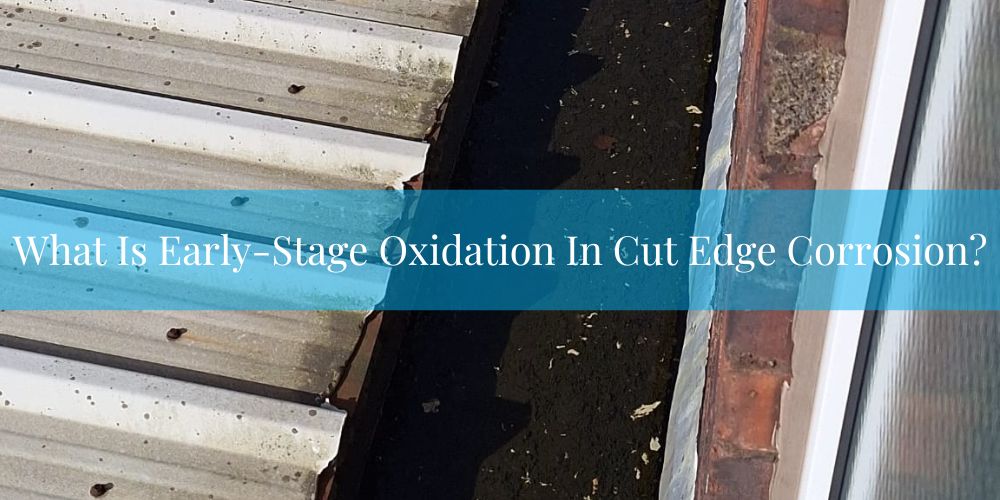
Understanding early-stage oxidation in cut edge corrosion on metal roofing is crucial as it often results from the damp climate and frequent rainfall that initiate the corrosion process at exposed metal edges, potentially leading to more extensive roofing issues if left unaddressed. The UK's wet weather conditions can accelerate the onset of corrosion by constantly exposing metal roof edges to moisture, particularly on shaded or north-facing roof sections. This can lead to premature deterioration of protective coatings, making regular inspections and maintenance vital to prevent long-term structural damage and costly repairs.
For commercial building owners and facility managers in the UK, recognising and addressing cut edge corrosion early is essential for safeguarding investments and maintaining building integrity. In this blog, we’ll explore the causes, signs, and preventative measures for managing early-stage oxidation in cut edge corrosion, providing expert tips to extend the life of metal roofing in the UK’s challenging climate.
What Is Early Stage Oxidation?
Early-stage oxidation is the initial chemical reaction that occurs when bare metal is exposed to oxygen and moisture. In the context of cut edge corrosion, it begins at the exposed edges of factory-coated metal sheets where the protective layer ends. This stage typically presents as dulling, slight discolouration, or a faint reddish-brown hue on the metal surface. Though it may appear minor, early oxidation marks the onset of corrosion and indicates that the metal is no longer fully protected. If left untreated, it can accelerate quickly, leading to coating delamination and substrate rust. Addressing early-stage oxidation promptly with edge protection systems or specialist coatings is key to extending the life of the roof.
Have a question about an upcoming project?
How Does Early-Stage Oxidation Occur in Cut Edge Corrosion?
Early-stage oxidation in cut edge corrosion begins when the protective coating on metal is compromised, allowing environmental elements to interact directly with the exposed metal surface, resulting in the formation of oxide layers. This corrosion is accelerated by factors such as moisture, oxygen, and pollutants, which expedite the breakdown of the metal. Understanding the contributory factors is crucial for addressing and mitigating the growth of cut edge corrosion.
The following steps are integral in understanding how early-stage oxidation occurs in cut edge corrosion:
- Exposure to Environment: Metal coating's integrity is compromised by cuts or damage.
- Moisture and Oxygen Interaction: Exposed metal reacts with moisture and oxygen present in the environment.
- Formation of Oxide Layers: Initial oxide layers form as the metal begins to oxidise.
- Pollutants Accelerate Corrosion: Air pollutants like sulphur dioxide further react with exposed metal, worsening corrosion.
- Continuous Oxidation Process: Oxidation continues as metal remains exposed to corrosive elements.
1. Exposure to Environment: Metal coating's integrity is compromised by cuts or damage.
Exposure to the environment occurs when the protective coating on metal is damaged. This damage can be due to mechanical processes like cutting or handling during installation, which leads to the exposure of the bare metal substrate. When the coating is compromised, it leaves the metal vulnerable to environmental elements, setting the stage for corrosion to initiate. The exposure allows moisture, air, and pollutants to make direct contact with the metal surface, starting the corrosion process. It's this initial contact that plays a crucial role in the speed and extent to which corrosion can proceed. Preventative measures like ensuring the integrity of coatings or applying additional protective layers can mitigate these initial exposures. Despite the essential role of protective coatings, ongoing monitoring is crucial to catch early-stage oxidation quickly once it begins.
2. Moisture and Oxygen Interaction: Exposed metal reacts with moisture and oxygen present in the environment.
The interaction of moisture and oxygen with exposed metal surfaces marks the beginning of rust formation. This interaction is a fundamental chemical process that drives the oxidation reaction. As soon as the environment has access to the metal surface, oxygen and water combine with the metal ions, leading to the initial phases of oxidation. This chemical reaction is accelerated in environments with high humidity or frequent rainfall. The presence of ongoing moisture, whether from atmospheric conditions or specific environments, ensures the oxidation reaction is continuous, resulting in progressive corrosion unless mitigated. Monitoring environmental conditions can inform preventative strategies to reduce this impact.
3. Formation of Oxide Layers: Initial oxide layers form as the metal begins to oxidise.
The formation of oxide layers is a natural result of metal reacting with environmental moisture and oxygen. These oxide layers are indicative of the initial stages of corrosion. As the corrosion process continues, these oxide layers thicken and spread, consuming more of the metal's surface, eventually leading to structural weaknesses. The formation of these layers can sometimes protect the underlying metal temporarily, but often, they signal ongoing degradation. Recognising and identifying these oxide layers at an early stage can be crucial for implementing corrective measures. These can include applying protective coatings or re-sealing edges to prevent further exposure to the source of oxidation.
4. Pollutants Accelerate Corrosion: Air pollutants like sulphur dioxide further react with exposed metal, worsening corrosion.
Air pollutants such as sulphur dioxide, nitrogen oxides, and other chemicals can react with exposed metals to form corrosive compounds. These interactions exacerbate the corrosion process significantly. In environments with high levels of industrial pollution, the presence of such pollutants speeds up the oxidation process, creating more complex chemicals that are often more damaging than simple rust. These pollutants can further reduce the lifespan of the metal if not managed properly. Regular inspections and maintenance, particularly in industrial or urban areas, are essential in identifying and mitigating the effects of these pollutants on metal structures. Understanding the specific pollutants in the environment allows for targeted protective measures.
5. Continuous Oxidation Process: Oxidation continues as metal remains exposed to corrosive elements.
Oxidation is a relentless process that perpetuates as long as the exposed metal remains in contact with corrosive environmental elements. Once initiated, the process requires constant intervention to slow down or halt. The continuation of this process drastically affects the structural integrity and appearance of the metal, often necessitating costly repairs or replacements if not managed from the onset. This ongoing corrosion contributes to significant material degradation over time. Regular maintenance, the use of high-quality protective coatings, and environmental controls are essential strategies in preventing the relentless cycle of oxide formation. By systematically addressing each stage, it becomes feasible to extend the life and stability of metal infrastructure significantly.
What Is Cut Edge Corrosion and Why Is It a Concern?
Cut edge corrosion occurs when the protective coating of steel cladding or roofing panels is compromised at cut edges, leading to rust and potential structural weakness. This corrosion can jeopardise the integrity of the building, necessitating repairs or replacements, and potentially increasing maintenance costs significantly. Addressing this issue promptly is crucial to prolong the lifespan of the metal components and maintain safety standards. Understanding cut edge corrosion involves recognising the factors contributing to it and its potential impacts. Here are some of the primary concerns associated with this phenomenon:
- Structural Integrity: Leads to potential failures in building framework due to rust.
- Cost Implications: Requires costly repairs and maintenance to restore metal surfaces.
- Aesthetic Damage: Discolours metal surfaces, negatively impacting building appearance.
- Accelerated Deterioration: Hastens the degradation of metal cladding or roofing.
- Safety Hazards: Increases risk of collapsing metal components or weakened structures.
1. Structural Integrity: Leads to potential failures in building framework due to rust.
Structural integrity refers to the soundness and stability of a building's framework. Cut edge corrosion can consume the metal, resulting in weakened structures that could potentially fail. By compromising the metal's strength, it endangers the safety and functionality of a building. Such deterioration not only poses immediate safety concerns but also long-term performance issues. It's important for building owners and managers to regularly inspect and maintain metal roofing and cladding systems to ensure structural integrity.
2. Cost Implications: Requires costly repairs and maintenance to restore metal surfaces.
Cost implications refer to the financial burden associated with repairing or maintaining affected areas. Corrosion can necessitate premature repairs or complete replacements of metal components, which can be costly. In addition, frequent maintenance may be required to prevent further damage, adding to the financial strain. These expenses can impact budgets and planning for both residential and commercial buildings. Therefore, investing in preventative measures is often more cost-effective than facing frequent repairs.
3. Aesthetic Damage: Discolours metal surfaces, negatively impacting building appearance.
Aesthetic damage denotes the visual degradation of a building. Cut edge corrosion can cause metal cladding or roofing to become discoloured and unsightly. This not only affects the visual appeal of a building but can also negatively influence property values and brand image. Maintaining a clean, well-maintained building exterior is important for businesses and residential properties alike. Mitigating corrosion can protect the aesthetic value and impression of the building.
4. Accelerated Deterioration: Hastens the degradation of metal cladding or roofing.
Accelerated deterioration describes the rapid wear and breakdown of materials. Cut edge corrosion acts as a catalyst for faster degradation of metal surfaces, reducing their lifespan. This can lead to more frequent need for maintenance and replacement. Preventative measures such as protective coatings and regular inspections are essential to slow down this process. By taking proactive steps, building owners can enhance the durability and longevity of their metal cladding and roofing.
5. Safety Hazards: Increases risk of collapsing metal components or weakened structures.
Safety hazards refer to potential risks that may lead to injury or structural failure. As corrosion weakens metal, it heightens the likelihood of a component or section of the structure collapsing. This poses a significant danger to occupants and passers-by. The threat of compromised safety underscores the importance of regular inspections and timely repairs. Ensuring that metal structures maintain their integrity is crucial for the protection of people and property.
What Are the Methods for Identifying and Mitigating Early-Stage Oxidation?
Early-stage oxidation can be detected through visual inspections, testing, and preventive measures to mitigate further damage. Identifying oxidation involves recognising surface discolouration or pitting, employing corrosion tests, and performing regular maintenance checks. Mitigation involves protective coatings, material selection, and environmental controls to prevent oxidation.
To systematically address early-stage oxidation, consider the following ordered methods:
- Visual Inspection: Identify surface discolouration or pitting on metal surfaces.
- Regular Maintenance: Schedule routine checks to identify potential oxidation issues early.
- Corrosion Testing: Use chemical tests to detect early signs of oxidation.
- Protective Coatings: Apply anti-corrosion paint or coatings on susceptible surfaces.
- Material Selection: Choose materials resistant to oxidation for critical components.
1. Visual Inspection: Identify surface discolouration or pitting on metal surfaces.
Visual inspection involves scrutinising metal surfaces to detect visible signs of oxidation such as colour changes or surface pitting. By catching these initial indications, steps can be taken to prevent further deterioration. This method relies on consistent and thorough inspection regimes. Regular visual checks enable maintenance teams to act promptly, potentially applying immediate remedial measures. These inspections are often the first line of defence against undetected oxidation.
2. Regular Maintenance: Schedule routine checks to identify potential oxidation issues early.
Regular maintenance refers to the systematic scheduling of service checks to ensure equipment remains in optimal condition. By including checks for oxidation, early-stage issues can be remedied before escalating. This proactive approach helps to extend component lifespan. Ensuring that routine maintenance is scheduled and followed strictly can save costs associated with unexpected repairs or replacements.
3. Corrosion Testing: Use chemical tests to detect early signs of oxidation.
Corrosion testing entails conducting specific chemical tests on materials to determine the presence of oxidation. This diagnostic tool helps confirm the chemical processes involved in corrosion before they manifest visually. Accurate testing aids in validating inspection findings. Implementing regular corrosion testing in maintenance schedules complements visual inspections by verifying test results with scientific evidence.
4. Protective Coatings: Apply anti-corrosion paint or coatings on susceptible surfaces.
Protective coatings involve applying specialised layers of paint or films to shield materials from environmental factors that could cause oxidation. These coatings form a barrier, significantly slowing down the oxidation process. Protective coverings act as a preventative measure against direct exposure to corroding elements. Choosing the correct protective coating based on environmental conditions is crucial to achieving its full protective potential.
5. Material Selection: Choose materials resistant to oxidation for critical components.
Material selection is the process of selecting materials based on their properties, such as resistance to oxidation. Utilising materials with inherent corrosion resistance reduces reliance on secondary protective measures. This strategy is particularly important for components that are difficult to access. Advanced materials research often provides new options that offer better performance against oxidation in various environmental conditions.
Understanding early-stage oxidation in cut edge corrosion is crucial for safeguarding metal structures, particularly in areas like the United Kingdom, where weather conditions can exacerbate these issues. Cut edge corrosion can lead to significant structural degradation if not addressed promptly, affecting the integrity and longevity of metal roofing and cladding systems. By recognising the signs of early-stage oxidation and implementing appropriate preventative measures, such as protective coatings and regular maintenance, property owners in the United Kingdom can mitigate potential damage and prolong the lifespan of their investments. This proactive approach not only helps in maintaining structural aesthetics and functionality but also minimises costly repairs and replacements in the future.
If you would like further insights into managing cut edge corrosion or need professional assistance with your project in the United Kingdom, please reach out to us through our contact form. Our knowledgeable team is eager to assist you with tailored solutions to protect and enhance the durability of your metal structures.