
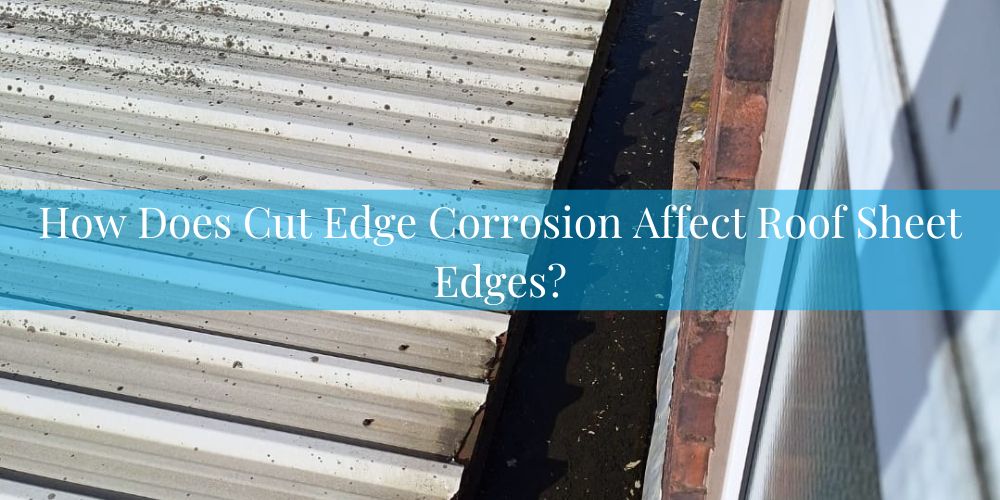
Cut edge corrosion in the United Kingdom can lead to rapid deterioration of metal roof sheet edges by compromising protective coatings, which accelerates rusting and ultimately results in costly repairs or replacements. The UK’s damp climate often exacerbates cut edge corrosion, as moisture and pollutants interact with exposed metal edges, particularly in urban areas or near coastlines. Neglecting this issue can lead to leaks and structural damage, making it essential for property managers to address cut edge corrosion promptly through regular inspections and protective treatments. For UK commercial building owners and facility managers, understanding how cut edge corrosion affects roof integrity is vital to avoiding expensive maintenance and ensuring safety. In this blog, we’ll explore the complexities of cut edge corrosion, its impact on commercial properties, and strategies to mitigate these effects in the unpredictable UK climate.
What Is Cut Edge Corrosion and How Does It Develop?
Cut edge corrosion is a type of deterioration that occurs at the edges of metal sheeting where the protective coating has been cut, leading to exposure to environmental elements. This exposure causes rust and decay over time, particularly in humid or wet environments where moisture can easily access the unprotected metal edges. Properly understanding and managing cut edge corrosion is essential for prolonging the life and maintaining the appearance of metal roofing and cladding.
Here are the key factors and processes involved in the development of cut edge corrosion:
- Protective Coating Exposure: Damage during installation leads to coating failure.
- Moisture Ingress: Water penetrates exposed metal surfaces, accelerating corrosion.
- Environmental Conditions: Humidity and pollutants heighten the corrosion rate.
- Material Choice: Non-optimal materials increase susceptibility to corrosion.
- Maintenance Neglect: Ignoring early signs worsens long-term damage.
1. Protective Coating Exposure: Damage during installation leads to coating failure.
The protective coating is a layer applied to metal sheeting to prevent corrosion. When metal sheets are cut during installation, this coating can be compromised, exposing the base metal to environmental factors. This exposure is significant in initiating cut edge corrosion, as it allows moisture and air to directly contact the metal. Over time, unchecked exposure can lead to substantial structural damage that shortens the lifespan of the material. Preventive measures, such as re-coating cut edges and careful handling during installation, can mitigate this risk and preserve the integrity of the structure.
2. Moisture Ingress: Water penetrates exposed metal surfaces, accelerating corrosion.
Moisture ingress refers to the penetration of water into areas where metal is exposed. Unprotected metal edges are highly susceptible to water ingress, which accelerates the oxidation process. This process is particularly rapid in rainy or humid environments, where water is more prevalent. Once moisture has penetrated an exposed edge, rust forms quickly, leading to further degradation. Effective sealing and periodic inspections can help to identify and rectify areas where moisture ingress may occur, helping to control the progression of corrosion.
3. Environmental Conditions: Humidity and pollutants heighten the corrosion rate.
Environmental conditions significantly affect the rate of cut edge corrosion. High humidity levels provide moisture that can easily infiltrate exposed edges, while industrial pollutants can exacerbate corrosion through chemical reactions with the metal. These conditions create an aggressive environment that speeds up the deterioration process, necessitating quicker and more frequent maintenance efforts. Understanding the specific environmental risks of an area can inform material selection and preventive strategies to combat these adverse effects.
4. Material Choice: Non-optimal materials increase susceptibility to corrosion.
The choice of materials plays a crucial role in the resilience of metal sheeting against cut edge corrosion. Some materials are more susceptible to corrosion due to their composition or inherent protective capabilities. Using high-quality materials that are specifically designed for corrosion resistance can make a substantial difference in performance and longevity. Such materials often have enhanced coatings and are better suited for harsh environments. Investing in suitable materials upfront can help prevent significant maintenance costs and extend the lifespan of the structure.
5. Maintenance Neglect: Ignoring early signs worsens long-term damage.
Maintenance neglect happens when the initial signs of cut edge corrosion are not addressed promptly. Early indicators, such as minor rust stains or small breaches in the coating, may seem insignificant but can lead to severe damage if left unchecked. Regular inspections and prompt repairs can mitigate the potential for serious structural issues. Routine maintenance efforts are critical for managing and preventing the progression of cut edge corrosion. Implementing a proactive maintenance schedule ensures early detection and remediation, effectively preserving the structural integrity and aesthetic appeal of the metal sheeting.
Have a question about an upcoming project?
Why Are Roof Sheet Edges Particularly Vulnerable to Cut Edge Corrosion?
Roof sheet edges are prone to cut edge corrosion due to their exposure and the disruption of protective coatings during installation. This vulnerability arises as the cut edges lack the same protective layer as the main body, making them susceptible to environmental damage. Regular exposure to moisture and aggressive weather conditions exacerbates this issue. Several factors contribute to the susceptibility of roof sheet edges to cut edge corrosion, and understanding these elements is essential to mitigate potential damage.
- Exposure to Environmental Elements: Constant contact with rain, humidity, and pollutants increases corrosion risk.
- Disruption of Protective Coatings: Coating removal during cutting leaves edges unprotected against corrosion.
- Accumulation of Moisture: Water can pool or linger at sheet edges, exacerbating corrosion over time.
- Inadequate Maintenance: Neglect can allow corrosion to develop unnoticed, leading to extensive damage.
- Material Composition: Inherent material properties can influence the speed and extent of corrosion.
1. Exposure to Environmental Elements: Constant contact with rain, humidity, and pollutants increases corrosion risk.
Exposure refers to the direct and ongoing interaction with environmental conditions like rain, humidity, and pollutants. Roof sheet edges face continuous environmental interaction, notably during adverse weather conditions, which accelerates corrosion. This ongoing exposure is particularly harsh for edges, which are less shielded compared to the rest of the roofing material. Given the typical placement and orientation of roofs, edges are often the first point of contact with rain and moisture. This repeated contact does significantly lower the lifespan of the roofing material if not appropriately addressed.
2. Disruption of Protective Coatings: Coating removal during cutting leaves edges unprotected against corrosion.
Disruption of protective coatings occurs when the protective surface layer is removed or damaged, especially during installation. The necessity of cutting roof sheets to fit desired dimensions disrupts the integral protective coatings, exposing bare metal to the elements. This exposure accelerates corrosion since these edges are left vulnerable without the protective benefit the coating provided. During installation, ensuring that cut edges are treated with additional protective layers can substantially mitigate their susceptibility to corrosion. Protective paints and sealants are commonly used to restore some of this lost protection.
3. Accumulation of Moisture: Water can pool or linger at sheet edges, exacerbating corrosion over time.
Accumulation of moisture refers to the gathering or pooling of water, particularly around exposed areas. Roof sheet edges often serve as collection points for water, especially during heavy rainfall or improper drainage. This pooling accelerates the corrosion process, especially at unprotected cut edges. Over time, consistent exposure to gathered moisture can lead to significant material degradation. Addressing drainage issues and ensuring sheets are positioned with sufficient slope can help divert moisture away from vulnerable edges.
4. Inadequate Maintenance: Neglect can allow corrosion to develop unnoticed, leading to extensive damage.
Inadequate maintenance suggests a lack of regular upkeep or inspection, allowing issues to go unresolved. Regular inspections are crucial in identifying early signs of corrosion on roof sheet edges, where damage can be initially subtle. Without diligent maintenance, corrosion can proliferate and result in leakages, compromising the roofing structure. Maintenance involves more than simple observation—it requires active measures such as applying protective coatings and ensuring good drainage. By actively maintaining roof edges, future significant repair costs can be avoided.
5. Material Composition: Inherent material properties can influence the speed and extent of corrosion.
Material composition pertains to the specific elements or compounds that make up a given material. Different roof sheet materials react distinctively to environmental factors; for example, steel may corrode faster than aluminium if coatings are compromised. Understanding the material's susceptibility to corrosion is key to implementing appropriate preventative measures. Choosing materials with higher resistance properties or inherent protective qualities can reduce the likelihood of cut edge corrosion. Additionally, considering the local environmental factors during material selection can improve longevity and performance.
What Are the Long-Term Implications of Ignoring Cut Edge Corrosion on Roof Sheet Edges?
Ignoring cut edge corrosion can lead to severe structural damage and increased maintenance costs over time. Overlooking this issue might result in leaks, reduced energy efficiency, and potential safety hazards. Regular maintenance and monitoring are crucial to preventing these adverse outcomes. If cut edge corrosion on roof sheet edges is left unaddressed, several critical issues may arise:
- Structural Integrity Compromise: Leads to weakened roof and potential structural failure.
- Water Leakage: Allows moisture penetration, causing interior damage and mould growth.
- Increased Maintenance Costs: Escalates repair expenses due to worsened corrosion over time.
- Decreased Energy Efficiency: Poor insulation from corroded areas increases heating and cooling costs.
- Safety Hazards: Risk of injury from falling debris or roof collapse.
1. Structural Integrity Compromise: Leads to weakened roof and potential structural failure.
Structural integrity compromise refers to the reduction in a building's ability to bear loads safely. When cut edge corrosion weakens the roof, the overall strength of the building structure may be at risk. This weakened state can make roofs susceptible to damage from storms or heavy loads. Over time, this compromised integrity could lead to expensive structural repairs or even collapse if not addressed promptly.
2. Water Leakage: Allows moisture penetration, causing interior damage and mould growth.
Water leakage occurs when moisture penetrates through openings in the building envelope. Corroded roof edges often lead to unsealed areas, allowing water to seep inside the building. This can result in damaged ceilings, walls, and interiors, further leading to mould and mildew proliferation. Such issues not only affect the building's aesthetics but also bring health risks to occupants.
3. Increased Maintenance Costs: Escalates repair expenses due to worsened corrosion over time.
Increased maintenance costs are the rising expenses associated with more frequent repair needs. Failure to address early signs of cut edge corrosion typically results in extensive damage, necessitating more complex and costly repairs down the line. Proactive maintenance could help mitigate these costs by tackling corrosion before it worsens.
4. Decreased Energy Efficiency: Poor insulation from corroded areas increases heating and cooling costs.
Decreased energy efficiency refers to the reduced capacity of a building to use energy effectively. Corroded roof sheets often result in poor insulation, causing heat or cool air to escape, which increases energy consumption. Subsequently, heating and air conditioning systems must work harder, thereby raising energy bills. Addressing insulation issues as they arise helps maintain energy efficiency and cost-effectiveness.
5. Safety Hazards: Risk of injury from falling debris or roof collapse.
Safety hazards are conditions that increase the likelihood of accidents or injuries. Corroded materials can lead to falling debris or even partial roof collapses, creating significant risks for individuals below. These risks necessitate immediate attention to prevent injuries. Ensuring regular inspections and timely repairs are completed is crucial to maintaining a safe environment.
Addressing cut edge corrosion on roof sheet edges is vital for sustaining the longevity and functionality of roofing systems, especially in the unique weather conditions of the United Kingdom. The prevalence of cut edge corrosion in the UK can often be attributed to the frequent rainfall and high humidity, which accelerate the deterioration process. Proactively managing this issue by applying protective treatments and ensuring regular inspections can significantly extend the lifespan of your roof, helping to avoid costly repairs and replacements. By understanding the specific challenges cut edge corrosion presents, property owners can make informed decisions to safeguard their investments, maintain aesthetic appeal, and protect the integrity of their buildings.
If you are seeking more information about managing cut edge corrosion or require a professional evaluation of your roof, please do not hesitate to get in touch with us through our contact form. Our dedicated team is ready to provide you with expert advice and solutions tailored to the UK climate, ensuring your roof remains in optimal condition.