
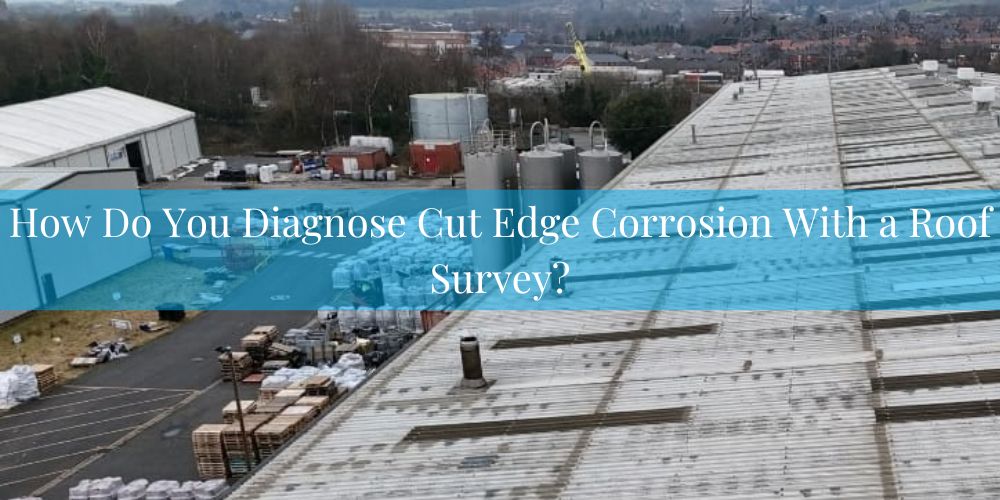
Regular roof surveys can effectively identify areas affected by cut edge corrosion at an early stage, allowing for timely maintenance and treatment. This proactive approach not only extends the lifespan of the roofing materials but also helps to maintain the aesthetic appearance of the building and safeguard against leaks and structural compromises. Additionally, addressing cut edge corrosion promptly is vital for preserving insurance coverages and ensuring compliance with UK building standards.
In the United Kingdom, diagnosing cut edge corrosion through a roof survey is essential for preventing long-term damage and ensuring the structural integrity of commercial roofing systems. Cut edge corrosion typically occurs when the protective layer on metal roof sheets deteriorates, often due to exposure to the country's variable weather conditions. Over time, this can lead to rusting and weakening of the roof’s components, potentially resulting in costly repairs if left untreated.
For commercial building owners and facility managers in the United Kingdom, understanding the importance of diagnosing cut edge corrosion is critical for effective property management. In this blog, we'll explore the processes involved in detecting corrosion through surveys, outline successful treatment options, and provide expert recommendations for maintaining durable and aesthetically pleasing roofing systems across the UK.
What is Cut Edge Corrosion and Why is it a Concern for Roofs?
Cut edge corrosion is the process where the exposed cut edges of metal roofing sheets begin to corrode. This type of corrosion occurs because the protective galvanised or coated layer on the metal sheet is compromised at the cut edges, leading to the development of rust and eventual deterioration of the material. If left unchecked, cut edge corrosion can weaken the structural integrity of the roof, resulting in potential leaks and costly repairs.
Understanding the importance of preventing cut edge corrosion helps in maintaining a roof's longevity and performance. Here are key reasons why addressing cut edge corrosion is vital:
- Structural Integrity: Prevents weakening of the roof's essential framework.
- Waterproofing: Ensures the roof's capability to prevent water ingress.
- Aesthetic Appeal: Maintains the visual attractiveness of the roofing.
- Cost Efficiency: Reduces long-term repair and maintenance expenses.
- Material Longevity: Extends the lifespan of roofing materials.
1. Structural Integrity: Prevents weakening of the roof's essential framework.
Structural integrity refers to the ability of a structure to hold together under a load, including maintaining its shape and durability over time. In the context of cut edge corrosion, maintaining structural integrity ensures that the roof does not fail due to compromised edges. As corrosion takes hold, the load-bearing capability of the roof can be significantly diminished, posing a risk to the entire building. Preventative measures, such as sealing or coating cut edges, can avert this degradation and maintain the roof’s strength and safety, thereby preserving the building's overall security.
2. Waterproofing: Ensures the roof's capability to prevent water ingress.
Waterproofing involves methods and materials designed to prevent water penetration into structures. When cut edge corrosion is present, it creates vulnerabilities in the roof that can lead to leaks. This water ingress can cause significant damage to the interior of the building, leading to mould, mildew, and structural harm. Ensuring effective waterproofing by treating the cut edges prevents these leaks, maintaining the building’s dry conditions and preventing subsequent issues associated with water damage.
3. Aesthetic Appeal: Maintains the visual attractiveness of the roofing.
Aesthetic appeal refers to the pleasing appearance of an element or structure. Corroded edges can detract from the overall appearance of a building, making it look neglected and potentially lowering its value. By addressing cut edge corrosion, the roof retains its clean, polished appearance. Regular maintenance and treatment help preserve the visual appeal of the roof, contributing positively to the building’s exterior presentation and property value.
4. Cost Efficiency: Reduces long-term repair and maintenance expenses.
Cost efficiency involves minimising expenses while maintaining functionality and effectiveness. Ignoring cut edge corrosion can lead to extensive damage, resulting in costly repairs or complete roof replacement. By proactively dealing with edge corrosion, you can mitigate these significant future expenses. Routine inspections and timely reparative actions are cost-effective strategies, averting more substantial financial outlays linked to extensive damage control measures.
5. Material Longevity: Extends the lifespan of roofing materials.
Material longevity describes the duration that materials maintain their functionality and integrity. Without treatment, cut edge corrosion accelerates material degradation, reducing the roof's lifespan. Addressing corrosion prolongs the useful life of the roofing materials. This not only helps in maximizing the investment in roofing infrastructure but also contributes to resource sustainability by delaying the need for replacement and lowering waste generation.
Have a question about an upcoming project?
How Can a Roof Condition Survey Help in Identifying Cut Edge Corrosion?
A roof condition survey can effectively identify signs of cut edge corrosion early. This type of inspection detects issues with roof sheeting and protective coatings that could indicate potential corrosion development. By conducting thorough assessments, building owners can address such concerns before they compromise structural integrity. A detailed roof condition survey involves a structured approach to identifying issues. Here are the key ways it aids in detecting cut edge corrosion:
- Visual Inspection: Locating visible signs of cut edge corrosion.
- Coating Check: Evaluating the condition of protective roof coatings.
- Environmental Assessment: Identifying factors contributing to corrosion risk.
- Documentation: Recording detailed findings for future reference.
- Maintenance Recommendations: Suggesting actions to prevent further corrosion.
1. Visual Inspection: Locating visible signs of cut edge corrosion.
Visual inspection involves examining the roof for any apparent signs of deterioration. This step helps in immediately identifying areas where cut edge corrosion may have begun. By spotting early visible signs, further damage can be pre-empted with remedial action. A trained surveyor can spot discoloration, rust, or compromised edges indicative of corrosion. Addressing these early signs can significantly extend the lifespan of the roofing system.
2. Coating Check: Evaluating the condition of protective roof coatings.
Coating check refers to assessing the integrity of protective layers on the roof. This step is crucial, as intact coatings protect metal roof edges from corrosive elements. Inspections help determine if recoating is necessary to prevent corrosion. If coatings show signs of wear, reapplication safeguards against moisture and environmental damage. This preventive measure enhances roof longevity and reduces repair costs.
3. Environmental Assessment: Identifying factors contributing to corrosion risk.
Environmental assessment evaluates the roof's exposure to corrosive elements. It involves analysing the surroundings, including proximity to saltwater or industrial pollutants, which accelerate corrosion. Understanding these factors helps in assessing the risk level of corrosion developing. Additional environmental insights can guide material selection and protective strategies. Proactive planning based on environmental conditions minimises corrosion impacts and expenses.
4. Documentation: Recording detailed findings for future reference.
Documentation is the process of recording the survey's observations and results. This structured record-keeping provides a clear report of roof condition, detailing every area inspected. Having detailed documentation assists with progress tracking and future maintenance planning. Documentation supports communication with contractors and insurance, ensuring all parties are informed. It also provides a benchmark for future surveys to compare changes over time.
5. Maintenance Recommendations: Suggesting actions to prevent further corrosion.
Maintenance recommendations involve advising on actions to mitigate corrosion risks. Based on the survey findings, tailored advice can include strategies like re-coating, replacing damaged sections, or environmental shielding. Following these suggestions prevents exacerbation of existing issues. Proactive maintenance reduces the likelihood of costly repairs while preserving roof integrity. Regular interventions maintain optimal performance and extend the roof's functional lifespan.
What Steps are Involved in Diagnosing Cut Edge Corrosion During a Roof Condition Survey?
Diagnosing cut edge corrosion involves identifying metal roof edge deterioration using various inspection techniques. Understanding the steps to accurately diagnose cut edge corrosion is crucial in a roof condition survey. To conduct a thorough evaluation, inspectors must follow a systematic approach to pinpoint corrosion issues effectively. Below is a list of steps to diagnose cut edge corrosion during a roof condition survey.
- Visual Inspection: Inspect roof edges for signs of rust and discolouration.
- Moisture Detection: Use moisture meters to identify suspicious areas retaining water.
- Testing Coatings: Examine the effectiveness of protective coatings to prevent further corrosion.
- Thickness Measurement: Use ultrasonic gauges to measure metal thickness and assess deterioration.
- Environmental Assessment: Consider external factors contributing to corrosion, like pollutants.
1. Visual Inspection: Inspect roof edges for signs of rust and discolouration.
Visual inspection involves examining the metal edges of a roof for rust and discolouration. Identifying these signs can help diagnose the severity of cut edge corrosion during a roof survey. Rust and discolouration indicate metal degradation, which can weaken structural integrity over time if not addressed.
2. Moisture Detection: Use moisture meters to identify suspicious areas retaining water.
Moisture detection helps pinpoint areas where water accumulation may hasten corrosion. Detecting excess moisture is crucial as water accelerates metal deterioration and promotes corrosion. Using moisture meters provides a precise assessment of areas needing immediate attention to prevent further damage.
3. Testing Coatings: Examine the effectiveness of protective coatings to prevent further corrosion.
Testing coatings assesses whether protective layers on a roof are still functional. This step is vital for diagnosing cut edge corrosion as ineffective coatings fail to prevent further metal degradation. Maintaining effective coatings is essential for prolonging the lifespan and integrity of roofing materials.
4. Thickness Measurement: Use ultrasonic gauges to measure metal thickness and assess deterioration.
Thickness measurement involves using ultrasonic gauges to determine current metal thickness. This diagnostic step identifies the extent of metal loss due to corrosion, crucial for evaluating structural safety. Regular measurements allow for timely interventions, preventing significant damage and ensuring continued roof performance.
5. Environmental Assessment: Consider external factors contributing to corrosion, like pollutants.
Environmental assessment involves evaluating external factors that may cause or accelerate corrosion. Understanding these factors is essential in diagnosing cut edge corrosion and devising appropriate prevention strategies. Pollutants and environmental conditions can significantly impact metal durability, necessitating tailored maintenance solutions.
Understanding the challenges of cut edge corrosion is essential for maintaining the integrity and longevity of your roofing, particularly within the variable climate of the United Kingdom. Cut edge corrosion can significantly impact the durability of metal roofing systems, leading to deterioration and costly repairs if not identified and addressed promptly. A thorough roof condition survey is invaluable for diagnosing any signs of corrosion early and formulating an effective maintenance strategy. By regularly inspecting your roof and implementing preventative measures, you can prolong its lifespan and maintain its performance, safeguarding your investment in the long term. At Cut Edge Corrosion UK, we are committed to providing expert guidance and services tailored to combating cut edge corrosion, ensuring your roof remains resilient against the UK's demanding weather conditions.
If you suspect cut edge corrosion on your property or require a comprehensive roof condition survey, please do not hesitate to get in touch with us through our contact form. Our knowledgeable team at Cut Edge Corrosion UK is ready to assist you in protecting your roof with expert advice and tailored maintenance solutions.