
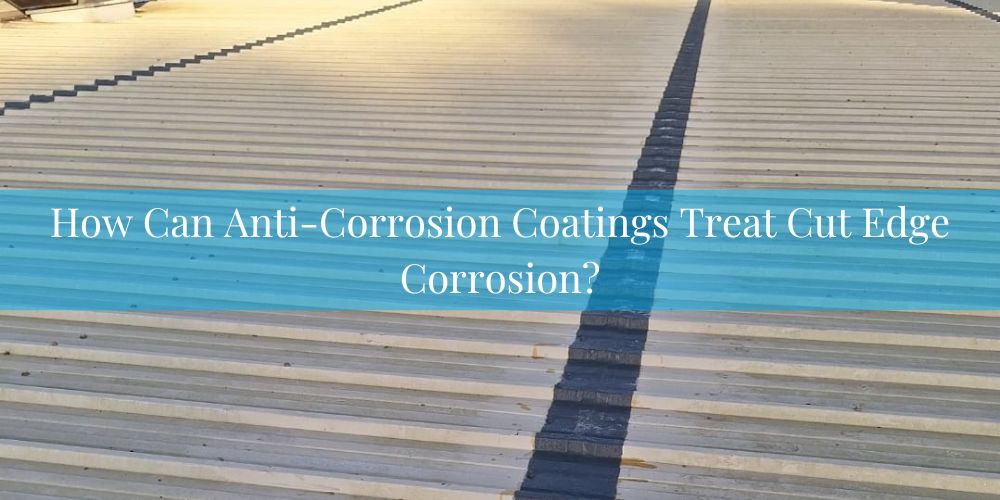
Using anti-corrosion coatings specifically designed for cut edge corrosion effectively extends the lifespan of metal roofs by protecting the vulnerable exposed areas where the coating has been compromised. These coatings are essential in maintaining the integrity of metal cladding commonly used in commercial buildings, preventing further rust and deterioration caused by the harsh and variable UK weather conditions. Primarily applied to cut edges where the steel is most susceptible to oxidisation, these coatings create a barrier against water and oxygen, reducing maintenance costs and extending the service life of the roof.
The UK’s frequent rain and fluctuating temperatures make metal roofs prone to cut edge corrosion, so routine application of anti-corrosion coatings is crucial. Applying these coatings not only safeguards the structural integrity and aesthetics of commercial buildings but also enhances energy efficiency by maintaining proper insulation and preventing leaks.
For commercial building owners and facility managers in the United Kingdom, understanding the importance of treating cut edge corrosion can prevent costly repairs and sustain building value. In this blog, we will delve into the role of anti-corrosion coatings, their application techniques, and long-term benefits for metal roofing in the UK’s challenging climate.
What is Cut Edge Corrosion and Why is it a Concern?
Cut edge corrosion, occurring at the uncoated edges of steel roofing and cladding, is a significant problem for building longevity and aesthetic appeal. Cut edge corrosion is particularly concerning as it can compromise the structural integrity of the metal, leading to costly repairs and maintenance. Cut edge corrosion typically begins where protective plastisol coatings covering metal roof cladding panels are cut during production or installation. This leaves the bare metal exposed to the elements.
Here are some key reasons why cut edge corrosion is a major concern:
- Structural Integrity: Compromises the strength and safety of metal structures.
- Economic Impact: Leads to increased maintenance, repair, and operational costs.
- Aesthetic Deterioration: Affects the visual appeal of buildings and structures.
- Moisture Ingress: Allows water penetration, exacerbating corrosion and structural damage.
- Environmental Concerns: Increases metal waste and the environmental footprint.
1. Structural Integrity: Compromises the strength and safety of metal structures.
Structural integrity refers to the ability of a structure to withstand its intended load without failure. Without it, buildings are at risk of collapse or other structural issues. Cut edge corrosion undermines structural integrity by weakening the joints and connections in metal cladding and roofing. This degradation can jeopardise the safety of the building and its occupants. Consistent monitoring and timely intervention are vital to maintaining the long-term stability of metal structures affected by edge corrosion.
2. Economic Impact: Leads to increased maintenance, repair, and operational costs.
Economic impact refers to the costs incurred due to damage and repairs needed for affected structures. The financial burden is often substantial. When cut edge corrosion occurs, it may necessitate frequent and expensive maintenance to replace corroded panels and prevent broader damage. These costs impact not only budgets but also increase operational disruptions. Effective preventative measures and the use of improved materials can reduce these economic burdens significantly.
3. Aesthetic Deterioration: Affects the visual appeal of buildings and structures.
Aesthetic deterioration means the visual decline of a building due to visible wear and tear. This can lower property value and impressions. Corroded edges often lead to unsightly rust stains and uneven surfaces on metal sheets. The visual degradation not only detracts from the building's appearance but may also signal neglect. Preserving aesthetic value is critical, especially in commercial properties where appearance can influence business success.
4. Moisture Ingress: Allows water penetration, exacerbating corrosion and structural damage.
Moisture ingress refers to the penetration of water into building materials. It poses a risk of accelerated corrosion. Exposed edges of metal roofing and cladding are susceptible to moisture, leading to rapid deterioration beneath coatings. This situation can result in leaks and further compromise structural elements. Creating effective barriers and regularly inspecting vulnerable areas are essential strategies to mitigate moisture ingress.
5. Environmental Concerns: Increases metal waste and the environmental footprint.
Environmental concerns are issues related to the negative impact on the environment due to increased waste material. These concerns demand sustainable solutions. Cut edge corrosion can lead to frequent replacement of metal components, generating significant waste and consuming resources. This contributes to an increased environmental footprint. The adoption of more durable, corrosion-resistant materials and recycling initiatives can help address these environmental challenges.
Have a question about an upcoming project?
How Do Anti-Corrosion Coatings Work to Prevent Cut Edge Corrosion?
Anti-corrosion coatings prevent cut edge corrosion by providing a protective barrier against corrosive elements. These coatings are essential for protecting exposed metal edges that are vulnerable to environmental factors. By sealing these edges, anti-corrosion coatings help to prolong the lifespan of metal components and maintain their structural integrity.
Understanding how anti-corrosion coatings work involves recognising their key properties and benefits. Below are the most important aspects to consider:
- Barrier Protection: Forms a physical shield against moisture and corrosive chemicals.
- Chemical Resistance: Resists environmental pollutants that contribute to corrosion.
- Electrochemical Protection: Prevents electrochemical reactions leading to metal degradation.
- Adhesion: Ensures coatings firmly attach to metal surfaces for maximum protection.
- Durability: Provides long-lasting defence against wear and environmental damage.
1. Barrier Protection: Forms a physical shield against moisture and corrosive chemicals.
Barrier protection involves creating a physical layer to prevent direct contact between corrosive elements and metal surfaces. By blocking moisture and chemicals, the application of a commercial roof coating averts the onset of corrosion, particularly at cut edges. This is crucial for maintaining the integrity of materials in wet or polluted environments. The absence of direct exposure to these corrosive agents significantly reduces the likelihood that the metal will rust or deteriorate. Without barrier protection, moisture can quickly penetrate exposed metal edges, accelerating corrosion and leading to potential structural failures.
2. Chemical Resistance: Resists environmental pollutants that contribute to corrosion.
Chemical resistance refers to the coating's ability to withstand various harmful substances that can cause corrosion. This property is particularly significant as it helps protect metals from acid rain, salt spray, and other pollutants. Ensuring that anti-corrosion coatings have good chemical resistance is crucial for reducing the degradation caused by reactive substances. Metals in industrial or coastal settings, where pollution is high, particularly benefit from industrial roof coatings high chemical resistance. Without it, the longevity and performance of metal structures can be severely compromised.
3. Electrochemical Protection: Prevents electrochemical reactions leading to metal degradation.
Electrochemical protection inhibits the electrochemical processes that can cause metal to deteriorate. This typically involves preventing the flow of electrons between different metals or between metal and an electrolytic solution. For cut edges, this is crucial as these areas are common sites for galvanic corrosion. By avoiding electrochemical reactions, coatings help safeguard metal edges from rapid degradation. Electrochemical protection is often achieved with specific coating formulations that interrupt potential electrical currents, ensuring the stability and durability of metal structures over time.
4. Adhesion: Ensures coatings firmly attach to metal surfaces for maximum protection.
Adhesion refers to how well a coating sticks to the surface of the metal, preventing it from peeling or flaking off. Proper adhesion is vital because it ensures that the protective layer remains intact over the metal edge's lifespan. If a coating lacks good adhesion, it might fail, leaving the metal vulnerable to corrosion. Effective adhesion is achieved through proper surface preparation and selection of compatible coating materials. Ensuring strong adhesion means that the protective benefits of the coating are consistently applied, reducing maintenance needs and preserving the metal’s structural integrity.
5. Durability: Provides long-lasting defence against wear and environmental damage.
Durability in an anti-corrosion coating means its ability to withstand environmental conditions over time without significant degradation. This quality assures that the coating can continue to protect the metal effectively despite exposure to harsh weather or mechanical wear. Durability is crucial for cut edges since they are more prone to physical damage. Long-lasting coatings require fewer applications and repairs, saving time and costs associated with metal maintenance. The durability of coatings is often enhanced by advanced materials and formulations specifically designed to resist ageing and environmental impacts, ensuring optimal performance across a wide range of conditions.
What Are the Best Practices for Applying Anti-Corrosion Coatings?
Proper surface preparation, application techniques, and regular maintenance are essential for optimal anti-corrosion coating performance. Ensuring the metal surface is clean and free of contaminants is crucial before applying the coating. With correct application and upkeep, these coatings effectively prolong the lifespan of structures in corrosive environments.
To effectively apply anti-corrosion coatings, follow these best practices:
- Surface Preparation: Key factor in coating effectiveness and adhesion.
- Appropriate Coating Selection: Match coating to environmental conditions and substrate requirements.
- Application Method: Select suitable application technique for consistent coverage and performance.
- Environmental Conditions: Ensure optimal temperature and humidity during application process.
- Regular Maintenance: Schedule periodic inspections to maintain coating integrity and effectiveness.
1. Surface Preparation: Key factor in coating effectiveness and adhesion.
Surface preparation involves cleaning and treatment of the substrate before coating application. In anti-corrosion applications, a clean surface ensures better adhesion and effectiveness of the coating. Removing rust, oils, and other contaminants prevents defects and extends the coating's lifespan. Preparation methods include abrasive blasting, chemical cleaning, and power tools. Each method depends on the level of contamination and substrate type, serving as the foundation for the coating's success.
2. Appropriate Coating Selection: Match coating to environmental conditions and substrate requirements.
Appropriate coating selection involves choosing coatings compatible with environmental and functional needs. Selecting the right coating type is essential to ensure it withstands specific environmental pressures. The chosen coating must resist the unique challenges of the site's climate and operational conditions. Careful consideration of factors such as UV resistance, chemical exposure, and mechanical wear will maximise the coating's protective capabilities and longevity.
3. Application Method: Select suitable application technique for consistent coverage and performance.
Application method refers to the technique used to apply the anti-corrosion coating. Choosing the appropriate application method is crucial for achieving the desired thickness and uniformity. Techniques such as spraying, brushing, and rolling each have advantages and limitations based on project specifics. Correct application not only ensures complete coverage but also prevents defects like drips and thin spots, contributing to the coating's efficacy.
4. Environmental Conditions: Ensure optimal temperature and humidity during application process.
Environmental conditions can significantly influence the outcome of the coating application. Ensuring optimal conditions is vital; unfavourable temperatures and humidity levels can affect curing and adhesion. This leads to premature coating failure and reduced protection. Monitoring and controlling these conditions during application, possibly using climate-controlled settings, enhances the coating's performance and durability.
5. Regular Maintenance: Schedule periodic inspections to maintain coating integrity and effectiveness.
Regular maintenance involves scheduled checks and repairs to preserve coating functionality. Ongoing inspections allow for early detection of wear or damage, preventing further degradation. Regular touch-ups and repairs can significantly extend the service life of the coating. This proactive approach ensures the protective qualities of the anti-corrosion coating remain effective, safeguarding the underlying structure and reducing long-term costs.
Addressing Cut Edge Corrosion is crucial to maintaining the structural integrity and aesthetic appeal of metal roofing, particularly given the often damp and variable weather conditions experienced in the United Kingdom. Anti-corrosion coatings are an effective solution, providing a protective barrier that combats moisture exposure and prolongs the lifespan of metal components. By investing in high-quality coatings, property owners can safeguard their buildings against the progressive damage caused by Cut Edge Corrosion, ensuring both durability and visual appeal. As experts in the field, we are committed to helping you choose the most suitable anti-corrosion treatment for your needs, tailored to withstand the UK's unique environmental challenges.
If you would like more information about treating Cut Edge Corrosion or require professional guidance on selecting the right anti-corrosion coating, please do not hesitate to get in touch with us through our contact form. Our experienced team is ready to provide you with expert advice and solutions tailored to your specific requirements.